
Players typically say a wood bat “feels heavier” and a metal bat “feels quicker.” Both statements can be true, but the bigger story lies in how each bat rewards contact and punishes mistakes. When you understand the swing differences, you can train one reliable move that travels with you from practice to games.
Below, we’ll explain the swing differences in wood bats and metal bats. You’ll learn how barrel size, feedback, and timing affect your decisions in the box, and see how to train a consistent swing path without rebuilding your mechanics every season.
The Biggest Difference: What the Bat Rewards at Contact
The most significant distinction between a wooden bat and a metal one is how they reward contact. With wood bats, precision is more important, while metal bats are a bit more forgiving to the batter.
Wood rewards precision, not just speed
Wood bats demand clean contact because the barrel “sweet spot” plays smaller and less forgiving. When you miss it, you feel the result right away in your hands and in the ball flight. That immediate feedback helps players learn which contact points produce hard line drives.
Wood also tends to penalize late or off-barrel contact more. A swing that cuts across the zone or clips the ball on the end can turn into weak contact even if it looks powerful. Wood forces you to control the barrel through the hitting zone.
Metal rewards barrel coverage and mishits
Metal bats typically offer a larger effective hitting area and more trampoline effect. That combination can keep the ball moving even when contact isn’t perfect. Players can get away with a slightly late or slightly off-barrel swing and still see results.
This doesn’t mean metal makes you “better.” It means metal can hide certain inefficiencies, especially when you rely on last-second hand action to find the ball. If you want your swing to scale up against better pitching, you still need a repeatable path and good timing.
Swing Mechanics: What Changes and What Shouldn’t
When it comes to wood and metal bats, there should be as few swing differences as possible. You should have the same mechanics that create a direct and smooth swing with a consistent bat path.
What should stay the same: a direct, connected path
A good swing still puts the barrel on plane early and keeps it in the zone. You want your body to deliver the barrel, not your hands chasing the ball. That principle holds whether you swing wood or metal.
If you maintain a connected turn and control the barrel through the zone, you’ll adjust to either bat faster. You’ll only need one swing that adapts to small differences in feel and feedback.
What frequently changes: how players try to create power
With metal, many hitters start hunting bat speed by pulling the hands early or casting the barrel. They feel the barrel whip, and the ball still jumps enough to look successful. That approach can cause a longer path, weaker contact against velocity, and fewer barrels on tough pitches.
With wood, hitters frequently tighten up and try to guide the bat to the ball. They slow down to “make sure” they hit it, and they lose the intent that creates hard contact. The best hitters stay aggressive while keeping the barrel on plane.

Timing Differences: Load, Launch, and “Feel” of Quickness
Since wood bats are quite different in weight and speed, there are timing variations when swinging with either bat. However, with the right setup and mechanics, hitters can quickly adjust to the timing difference.
Metal can make you feel early, even when you’re not
Because metal bats feel lighter in the swing, hitters sometimes start the move too late and still square up. They rely on a fast hand finish instead of an early barrel turn. That habit shows up when pitchers add velocity or change speeds.
If you want a swing that holds up, start the barrel sooner by sequencing correctly. Let the lower half and torso create the turn, then let the barrel ride that turn through the zone.
Wood exposes rushed decisions
Wood bats demand more precise timing at contact, so they highlight when a hitter starts late or commits too early. Players may feel like they need to “jump” at the ball to get the barrel there. That rush causes the front shoulder to fly and the bat to cut across the zone. When you match the pitcher’s tempo and maintain posture, the barrel arrives on plane without a panic move.
Contact Point and Bat Path
When swinging with a wood bat, clean and flush contact is more important due to the bat’s smaller sweet spot. Metal bats will punish hitters who reach and rush their bat through the zone.
Wood encourages a slightly deeper, more controlled barrel
Many hitters do well with a contact point that allows the barrel to stay behind the hands and work through the ball. Wood rewards that because it supports clean, flush contact and stable ball flight. You don’t need to “push” the bat; you need to deliver the barrel through the line of the pitch.
If you consistently contact the ball out front with a cutting path, wood will punish you with rollovers or weak pull-side ground balls. A connected path gives you more time and a better chance to hit line drives to all fields.
Metal can tempt “reach” contact
With metal, some hitters reach out front and still see carry. That reach typically comes with early extension and loss of adjustability. It can work against average pitching, then fail when pitch locations and speeds vary.
A strong hitter keeps the barrel in the zone longer to cover more pitch shapes and locations. That approach increases your chances of finding the sweet spot with wood and producing loud contact with metal.

How a Swing Path Trainer Helps Across Both Bats
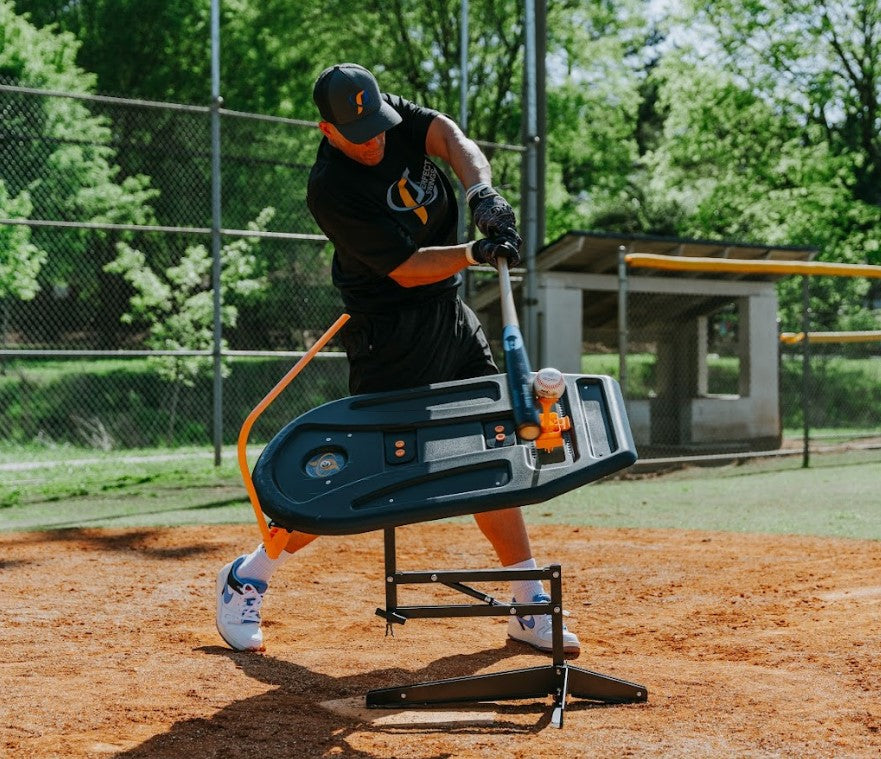
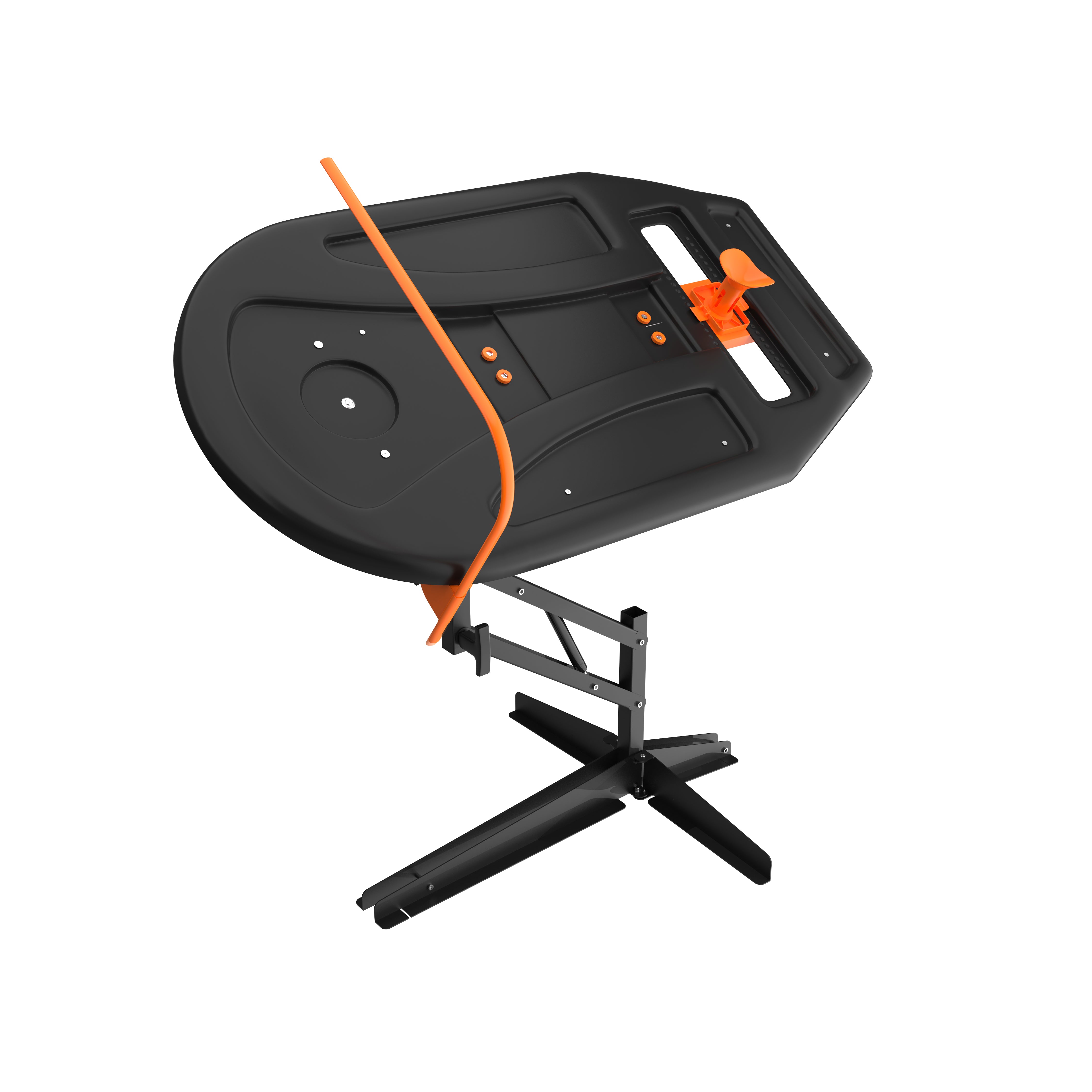
A reliable baseball swing trainer should help you feel the correct path without adding extra variables. It should guide the barrel to travel on plane and stay through the zone. When you train that movement, you create a swing that works with both wood and metal.
The Swing Path Trainer reinforces the path your barrel should take to meet the ball cleanly. It helps you repeat a connected move rather than relying on last-second hand action. Use it to build the same swing pattern whether you step into the box with wood or metal.
Bottom Line: Use the Bat to Reveal, Not Rewrite, Your Swing
Wood and metal bats feel different because they reward contact differently. Wood demands precision and exposes inefficiencies. Metal can feel easier to swing with and produce deeper hits, but it can also hide problems that show up against better pitching.
Train one connected swing that stays on plane and produces consistent contact. If you want a more repeatable path across both bat types, consider working with the Swing Path Trainer from Perfect Swings USA. It can help you build a swing that holds up whether you swing wood, metal, or both.