
Tee work can look simple, but effective tee training requires more than placing a ball in one spot and taking a bunch of swings. Each repetition should help the hitter recognize a movement, make an adjustment, and produce a result that can transfer into live competition.
A batting tee removes pitch speed and location changes, which gives hitters time to concentrate on their mechanics. Training off a tee makes it easier to identify problems, build consistent movement patterns, and prepare the swing for faster game-time improvements.
Why Tee Work Can Accelerate Hitting Development
Live batting practice requires hitters to track the ball, make timing decisions, recognize location, and execute the swing within a fraction of a second. Those demands make live work valuable, but they can also make mechanical adjustments difficult. A hitter may know something feels wrong without understanding which part of the swing to adjust.
Tee training reduces those variables. Because the ball stays still, the hitter can direct full attention toward posture, hand movement, barrel direction, balance, and contact position.
Controlled Repetitions Create Clearer Feedback
A productive repetition gives the hitter useful information. The player should know whether the barrel entered the hitting zone correctly, whether the body stayed connected, and whether contact matched the intended direction.
Repeated swings have limited value when the hitter cannot evaluate them. Players improve faster when they connect each result to a specific movement.
Make Every Tee Swing Serve a Clear Purpose
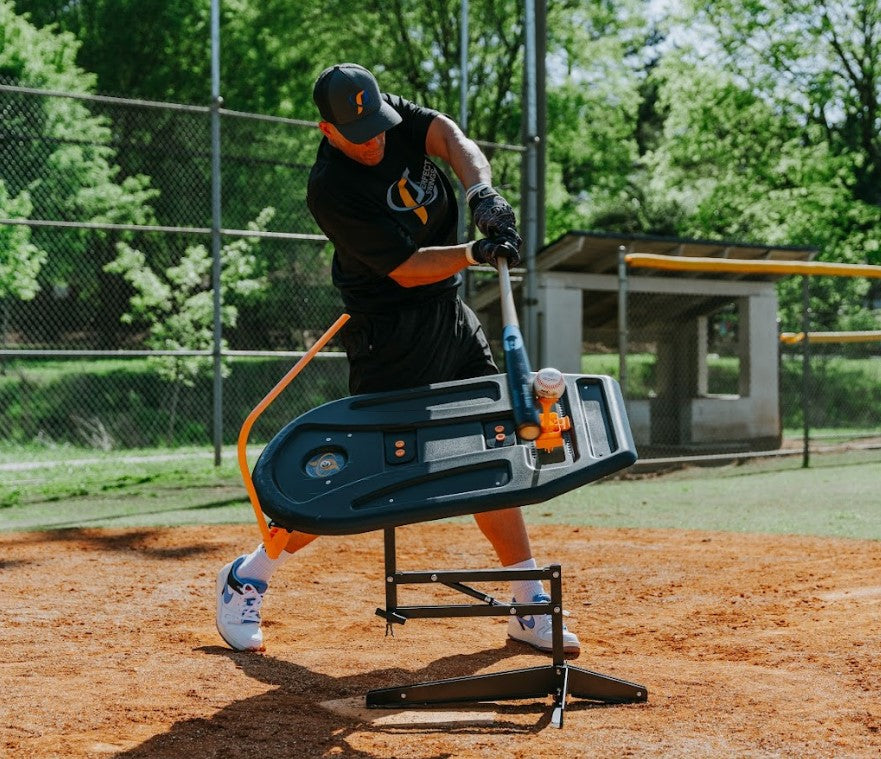
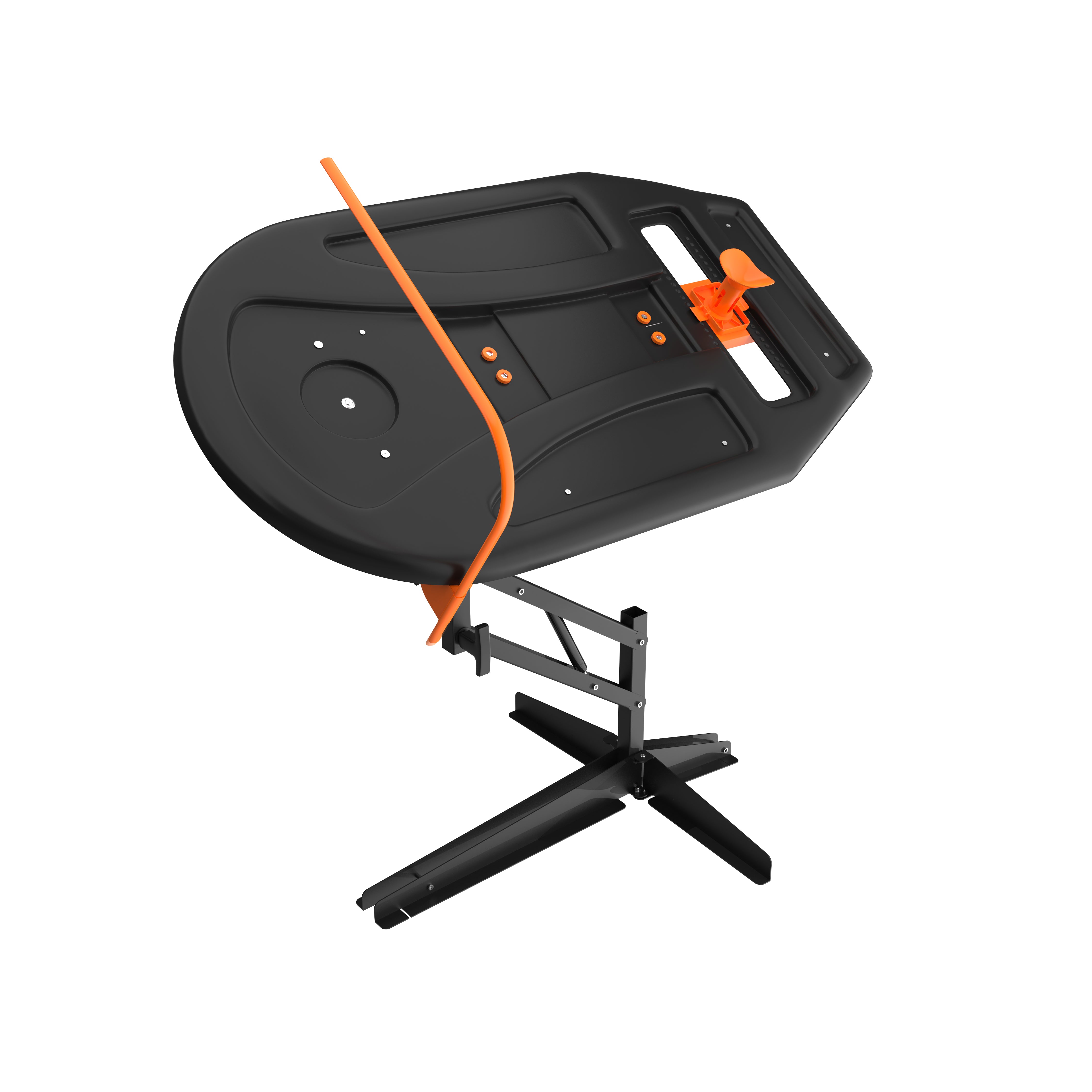
The Swing Path Trainer from Perfect Swings USA combines a batting tee with an adjustable guide board that provides immediate feedback on barrel direction. Hitters can set the board at different attack angles, including 0, 4, 8, and 12 degrees, and the tee topper can hold either baseballs or softballs. This helps players work on keeping the barrel through the hitting zone instead of simply repeating unrestricted swings.
The V4 should not replace a hitter’s awareness or a coach’s instruction. It gives players a physical reference point that makes a movement easier to understand.

Start With a Repeatable Setup
Training off a tee for faster game-time improvement starts with consistent positioning. Set the tee, guide board, and hitter’s stance before beginning a round. Small setup changes can alter the contact point, barrel angle, and direction of the hit, so players should avoid moving into a different position between every repetition.
The hitter should also check posture before starting the load. The feet should create an athletic base, the knees should remain flexible, and the upper body should allow room for rotation.
Use the Guide Board as Feedback, Not a Shortcut
The guide board helps show whether the barrel stays on the selected path. Contact with the board can signal that the hitter moved too steeply, cast the hands, or lost the intended barrel direction. A clean move through the hitting area means the swing matches the path more closely.
Train Contact Quality Before Chasing Exit Speed
Many hitters judge tee work by how hard they hit the ball. Hard contact matters, but maximum effort can hide mechanical issues. A player may produce one impressive hit while losing balance, pulling the hands away from the body, or cutting the barrel across the hitting zone.
Begin each session at a controlled intensity. The hitter should produce firm line drives while maintaining balance and a repeatable finish. Once the movement becomes consistent, the player can increase effort without sacrificing the swing pattern.
Read Ball Flight After Every Swing
Ball flight gives immediate information about contact. A well-struck line drive usually shows that the hitter delivered the barrel with better direction and hit the ball near the intended point. A weak ground ball, high pop-up, or sharply pulled ball may expose a problem with posture, timing, or barrel movement.
Practice Multiple Contact Points
A hitter will not see every pitch in the same location during a game. Tee training should prepare the swing for pitches on the inner part, middle, and outer part of the plate. Moving the ball to different positions teaches the player to adjust contact depth without changing the entire swing.
For an inside pitch, place the ball farther in front so the hitter can contact it before the barrel travels too deep. For an outside pitch, move the ball deeper and allow the barrel to work toward the opposite side of the field. A middle pitch should sit between those two contact points.
Keep the Same Athletic Movement
Changing pitch location should not cause the hitter to abandon balance or sequencing. The lower body, torso, hands, and barrel still need to work together.
This practice also helps prevent reaching. When the ball moves outside, the player should avoid leaning toward it or pushing the hands away from the body. Better plate coverage comes from controlling contact depth and barrel direction, not from stretching beyond a strong hitting position.
Connect Tee Work to Game Timing
A stationary ball cannot recreate pitch speed, but hitters can still use tee work to support timing. The player can practice a consistent load, controlled forward move, and balanced launch position before delivering the barrel.
The hitter should avoid pausing for too long after the stride. In a game, the swing must flow from preparation into rotation. A smooth rhythm during tee work helps the player develop a sequence that can hold up when a pitcher adds velocity.

Use Short Rounds to Maintain Focus
Long rounds can cause hitters to lose concentration and repeat careless movements. A hitter can complete a small group of swings, review the results, make one adjustment, and begin the next round.
Quality should determine when a round ends. When posture breaks down, contact becomes inconsistent, or the player starts rushing, continuing to swing may reinforce the wrong movement.
Change One Variable at a Time
Hitters may struggle when they try to fix several issues during the same session. Changing the stance, load, hand path, contact point, and finish at once makes it difficult to identify the success of an adjustment.
Choose one area for each round. A player might focus on balance during one set, barrel control during the next, and driving outside pitches during another. This structure makes feedback easier to understand and apply.
Transfer Tee Progress into Moving-Ball Work
Tee training should prepare the hitter for front toss, batting practice, machine work, and live pitching. After creating a more consistent movement on the tee, the player should test that movement against a moving ball.
The transition should remain gradual. Start with a manageable speed that allows the hitter to maintain the same posture and barrel direction. Increase difficulty as the movement becomes reliable.
Build Better Swings Through Better Tee Work
Effective tee training gives hitters the opportunity to understand their movement, improve contact, and prepare for game situations. The best sessions emphasize clear feedback, consistent setup, varied contact points, focused rounds, and a steady transition into moving-ball practice.
Perfect Swings USA’s V4 trainer makes that feedback easier to see and feel during baseball or softball training. Explore the Swing Path Trainer V4 to bring more structure, direction, and purpose to your tee sessions, then carry those improved movements into your next at-bat.