
A powerful swing depends on more than strength and fast hands. Hitters must coordinate their load, stride, rotation, and barrel release so each movement happens in the proper order. When one part begins too early or too late, the swing loses efficiency, and consistent contact becomes difficult.
Traditional drills can help players repeat a movement, but they may not clearly show when the swing breaks down. A flexible shaft trainer helps teach proper timing by creating immediate physical feedback that helps hitters recognize poor sequencing. Instead of relying only on verbal cues, players can feel how their timing affects the barrel.
Why Swing Timing Matters at the Plate
Timing allows the body to transfer energy from the ground through the hands and into the bat. The hitter loads, moves forward with a balanced stride, rotates through the lower body, and delivers the barrel through the hitting zone. Each action supports the next.
When this sequence remains connected, the hitter can adjust to pitch speed and location without losing control. The hands stay ready, the barrel enters the zone efficiently, and the hitter can drive the ball without wasting movement.
Recognizing Common Timing Problems
Many young hitters start the upper body before the lower body can create a stable foundation. They may push their hands toward the ball, cast the barrel away from the body, or release their wrists before reaching a strong contact position. These movements can produce weak contact, mishits, and inconsistent swing paths.
Other players add unnecessary motion during the load and stride. Excessive bat movement can make it harder to launch from the same position on each pitch. A hitter may still make contact, but the movement reduces the time available to recognize the pitch and respond.
How a Flexible Shaft Reveals Swing Flaws
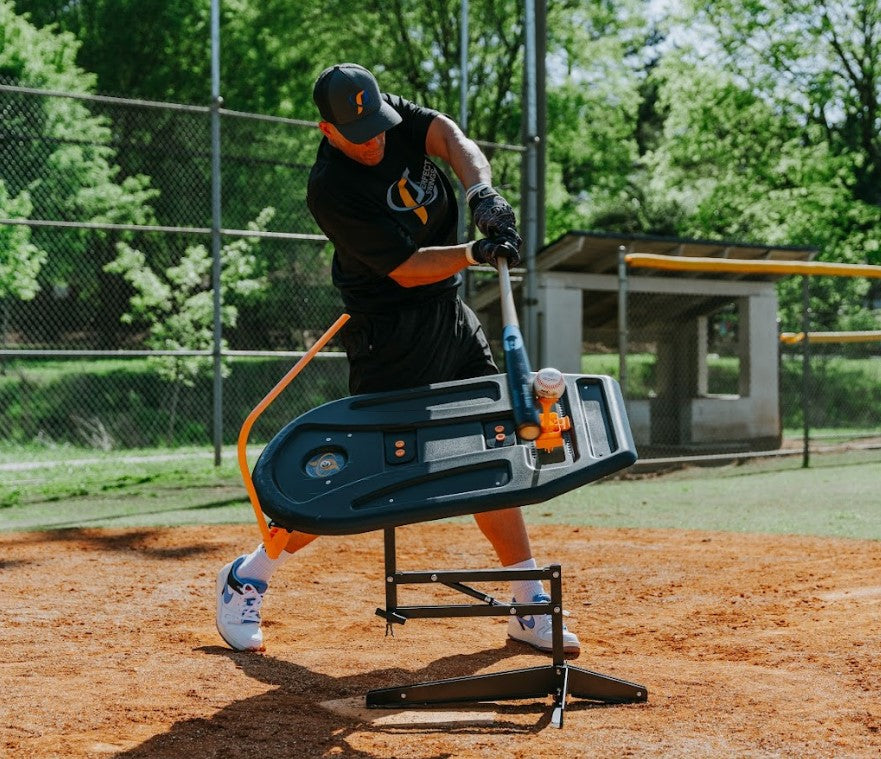
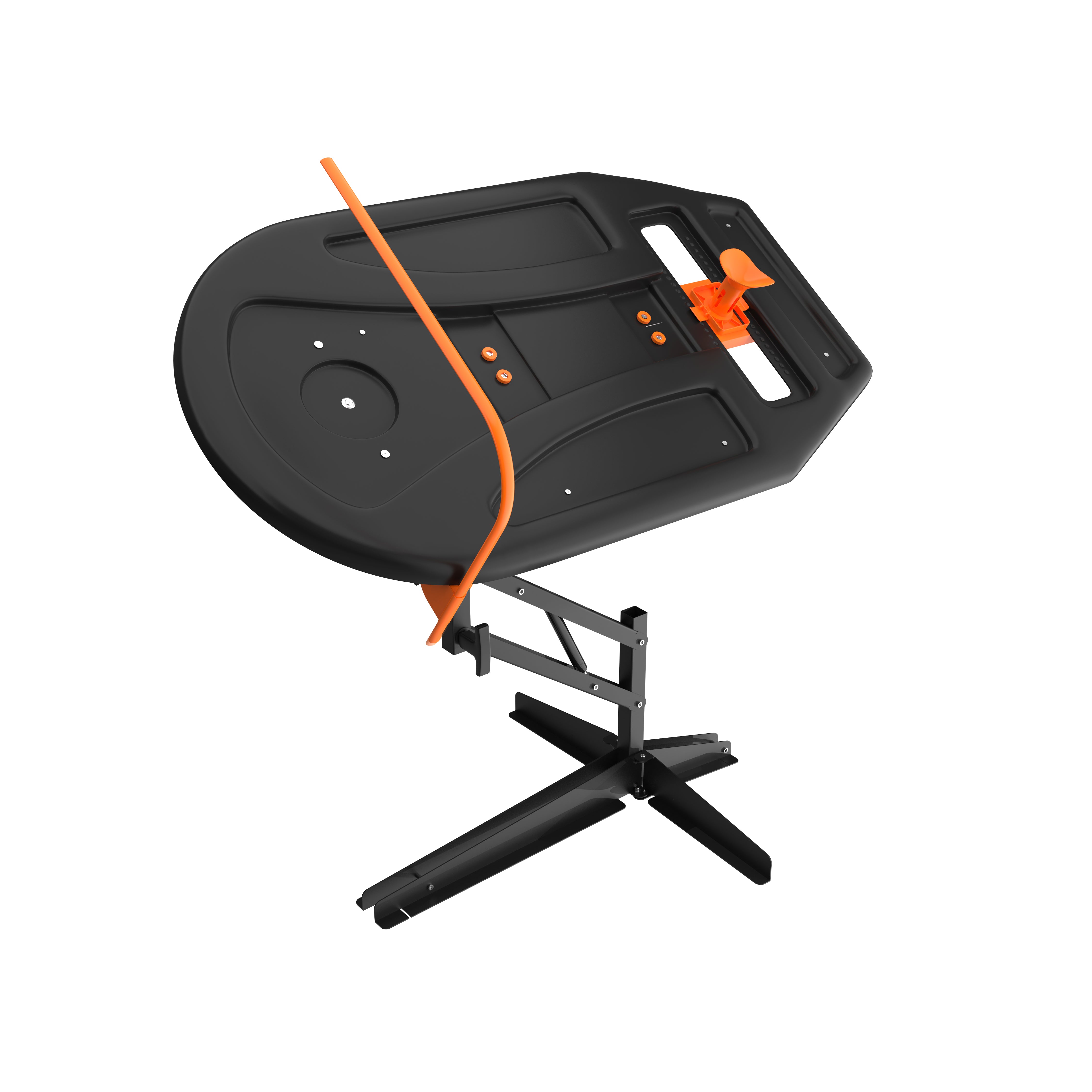
A lag training bat uses a flexible shaft to expose movements that a rigid bat may allow a hitter to hide. When the hands cast, the barrel drops, or the hitter releases too soon, the shaft reacts immediately. That reaction gives the player clear information about where the swing lost its connection.
The trainer encourages the hitter to move with greater control. A quiet load, balanced stride, and connected turn allow the barrel to follow the hands properly. As the hitter improves the sequence, the trainer moves more smoothly through the hitting zone.
Creating Feedback Without Overcoaching
A flexible shaft trainer makes it easier to teach proper timing because it avoids overcoaching. Too many instructions may cause players to think through every movement instead of reacting naturally. A training tool that provides feedback during the swing simplifies instruction.
The player feels whether the barrel stayed connected or moved away from the intended path. The coach can then focus on one adjustment, such as controlling the load or delaying the release.

Teaching the Difference Between Waiting and Delaying
Many coaches will tell a batter to wait back on the pitch, which some players can overdo by standing still for too long pre-pitch. Proper timing does not require a passive swing. The hitter continues gathering energy while maintaining control and preparing to rotate.
A delayed barrel release means the hands and barrel stay connected until the body creates the right opportunity to accelerate. The hitter does not drag the bat or hold it behind the body. Instead, the swing builds speed through an efficient sequence and releases the barrel into the hitting zone at the proper moment.
Helping Hitters Avoid Casting
Casting happens when the hands move away from the body too early, causing the barrel to take a long route toward the ball. This movement can slow the swing, reduce adjustability, and make inside pitches harder to handle. It can also pull the barrel out of the hitting zone before the hitter reaches ideal contact.
A flexible shaft makes this mistake easier to identify because the barrel responds to the early outward movement. The hitter must connect their hands to the turn and allow the barrel to follow.
Building a More Controlled Load and Stride
The load and stride prepare the hitter to attack the pitch. A productive load gathers energy without creating excessive movement, while a controlled stride moves the body into a balanced launch position. Neither action should pull the hitter away from the plate or disrupt the posture.
A flexible trainer can encourage hitters to quiet unnecessary bat movement during this phase. The flexible shaft exposes casting and barrel dumping while encouraging players to reduce bat movement during the load and stride. This feedback helps hitters begin the swing from a more stable position.
Developing Barrel Awareness and Sweet-Spot Contact
Strong timing helps the hitter deliver the barrel rather than simply move the hands toward the ball. The player learns where the barrel is during each part of the swing and how body movement affects its path. This awareness supports better contact across different pitch locations.
A lag bat helps hitters release the barrel out front, find the sweet spot, and receive immediate feedback with every swing. It also targets early release, casting, and a dropped barrel.
Training Both Feel and Intent
Drills work best when the hitter understands the purpose of each repetition. Before a set, the coach can give the player one clear focus, such as maintaining a quiet load or connecting the barrel through the turn. The hitter should then describe what a successful swing felt like.
This conversation helps the athlete connect physical feedback with a specific mechanical adjustment. Over time, the player becomes less dependent on the coach to identify mistakes.
Using the Trainer as Part of a Complete Routine
A flexible shaft trainer should complement regular hitting practice rather than replace it. Players still need repetitions with their game bat, pitch-recognition work, and opportunities to face different speeds and locations. The trainer develops a movement pattern that the hitter must transfer into competition.
A practical session may begin with tee work, progress to front toss, and finish with the player’s standard bat. This sequence lets the hitter establish the proper feel before applying it to a more familiar swing. Coaches can adjust the volume based on the player’s age, experience, and physical readiness.

Prioritizing Quality Repetitions
More swings do not automatically produce better results. Fatigue can reduce posture, balance, and concentration, which may cause the player to repeat the same problems the drill is meant to correct.
Players should pause when the shaft begins reacting differently or contact quality declines. A brief reset allows the hitter to review the cue and regain control. Consistent, attentive practice creates a stronger foundation than rushing through a high number of swings.
Build Better Timing With Perfect Swings USA
Proper swing timing develops when hitters learn to connect the load, stride, rotation, and barrel release. A flexible shaft trainer makes sequencing problems easier to feel, helping players address casting, early release, barrel dumping, and unnecessary movement. With focused repetitions and gradual progression, hitters can build cleaner mechanics and more consistent contact.
Explore the Perfect Swings USA lag bat to add immediate feedback to your practice routine. Start with controlled repetitions, focus on one adjustment at a time, and give your hitter a clear path toward better timing, barrel control, and confidence at the plate.