
Timing decides what happens before the bat ever reaches the ball. A hitter can have strength, mechanics, and confidence, but poor visual tracking can throw the entire swing out of rhythm. When a player sees the ball clearly from release to contact, the body has better information to make a fast, controlled decision.
Visual tracking does not mean staring harder. It means training the eyes, body, and swing sequence to work together. Below, we’ll outline how visual tracking improves timing and success at the plate.
Why Timing Starts Before the Swing
Good timing starts before the hitter launches the barrel. The hitter gathers information as the pitcher moves, releases the ball, and sends it toward the plate. Every cue matters because the brain must decide where the ball is going, how fast it is moving, and when the swing should begin.
A late read can rush a swing. An early guess can cause the hitter to drift, leak forward, or commit before the pitch reveals enough information. Visual tracking gives hitters a better chance to stay balanced, start on time, and deliver the barrel with intent.
What Visual Tracking Means for Hitters
Visual tracking improves timing at the plate because batters can follow the ball with purpose from the pitcher’s release point into the hitting zone. It also includes reading the pitcher’s body, identifying the release window, and keeping the head stable enough for the eyes to do their job.
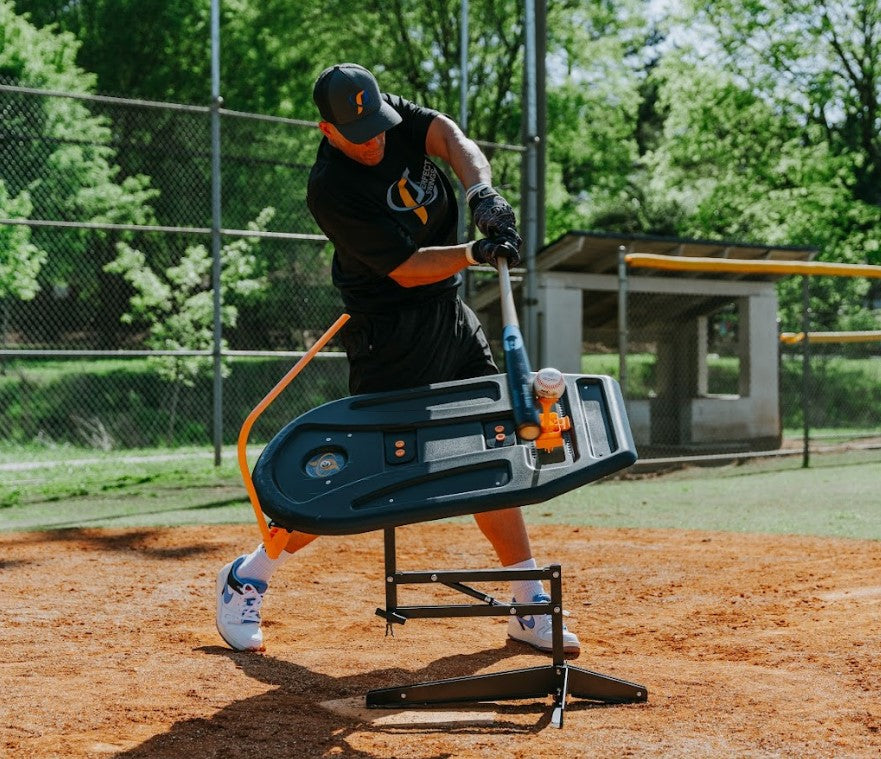
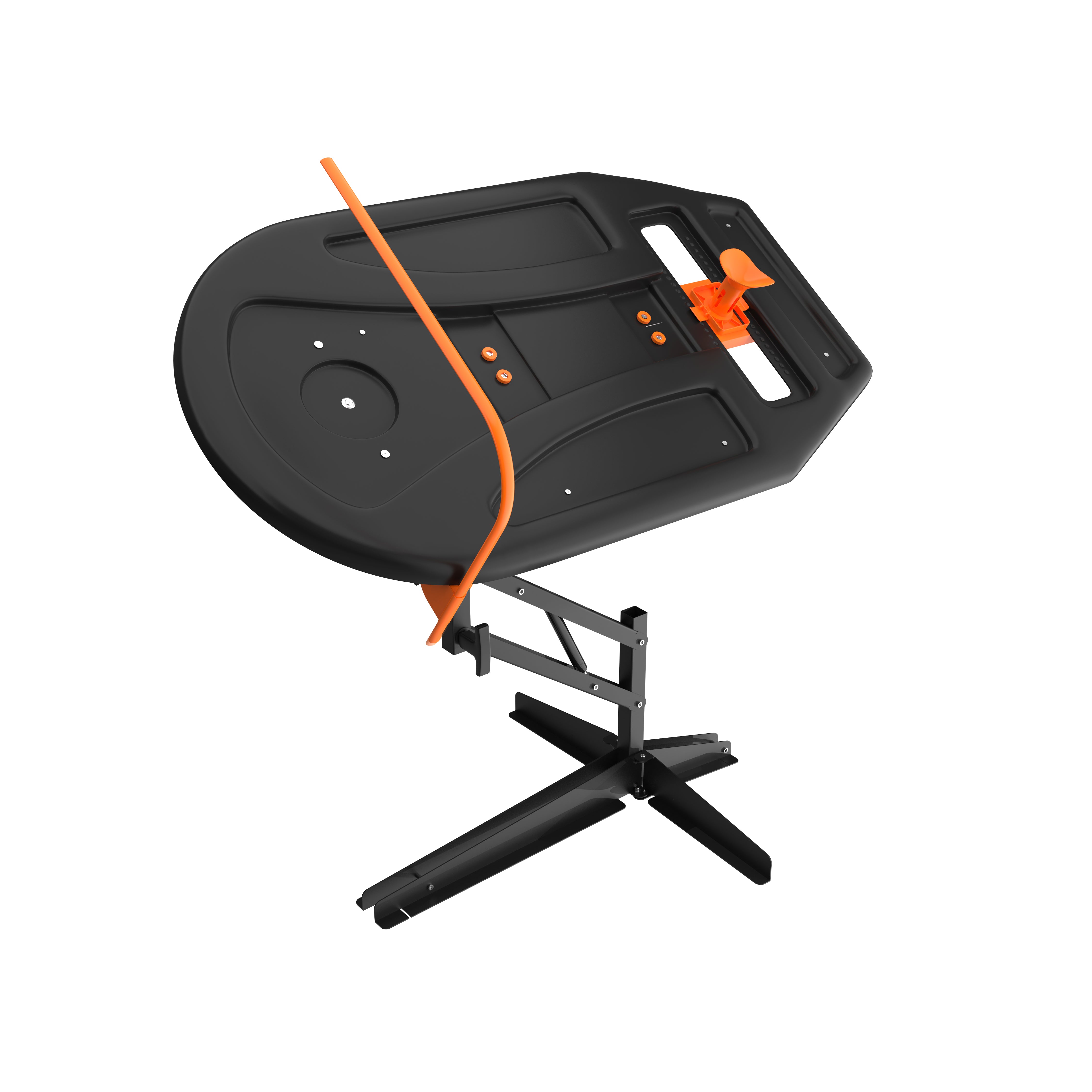
A strong tracking process can support any baseball swing trainer because it gives the hitter cleaner feedback during contact-based work. When the eyes stay on the ball, the hitter can better understand whether the swing moved on time, stayed on plane, and matched the pitch location.
Seeing the Ball Earlier
Hitters improve timing when they pick up the ball earlier. The release point gives the first major clue about pitch speed, direction, and shape. A hitter who finds the release point late has less time to decide and less time to move with control.
Tracking the Ball Longer
Many hitters see the ball out of the hand, then lose it as the swing starts. Tracking the ball longer helps the hitter match the barrel to the pitch. When the hitter keeps visual contact deeper into the zone, the swing can adjust with more precision.

How Better Tracking Helps Pitch Recognition
Pitch recognition starts with visual information. Hitters must separate fastballs, breaking balls, changeups, and other off-speed pitches based on speed, spin, release, and movement. The better the hitter tracks the ball, the sooner the hitter can make a confident decision.
In a game, the hitter has only a fraction of a second. Training visual tracking helps the hitter build instincts that work under pressure.
Release Point Recognition
The release point gives hitters a consistent place to start seeing the pitch. When hitters lock into that window, they reduce the chance of picking up the ball late. They also improve their ability to compare each pitch against the pitcher’s previous patterns.
Spin and Shape Awareness
Spin can tell the hitter how the ball may move. A fastball, breaking ball, and changeup can each show different visual cues. Hitters who track spin and shape with discipline can avoid committing too early to pitches that start in the zone but move away from the barrel.
How Visual Tracking Supports Swing Timing
Swing timing depends on when the hitter loads, when the hitter starts forward, and when the barrel enters the zone. Visual tracking helps each part happen in a better rhythm. The hitter can move on time instead of reacting late or committing too soon.
When timing improves, the hitter gains more room for adjustment. A well-timed swing can handle location changes, speed changes, and movement with less panic. The hitter does not need to be perfect. The hitter needs enough rhythm to stay in the fight and attack the right pitch.
Matching the Barrel to the Pitch
The barrel must arrive on time and on the right path. Visual tracking helps the hitter understand where the ball travels through the hitting zone. Without that visual information, the swing becomes more of a guess.
Why Head Stability Matters
The eyes work best when the head stays stable. If the head moves too much during the load or swing, the hitter makes tracking harder. A moving head changes the visual field and can make the pitch appear less clear.
Head stability does not mean stiffness. The hitter still needs athletic movement. The key is controlling the head well enough that the eyes can stay on the ball without disrupting the swing.
Avoiding Excess Forward Movement
Some hitters move too far toward the pitcher as they prepare to swing. That forward move can make timing harder because the hitter’s eyes and body travel while the ball approaches. The hitter may feel aggressive, but the swing can lose adjustability.
Connecting the Head to Contact
Hitters do not need to force the head down after contact. They need to connect the head and eyes long enough to support the swing. The best results come when the hitter tracks the ball into the hitting zone and lets the body finish naturally.

Practice Methods That Build Visual Tracking
Visual tracking improves with intentional practice. Hitters should train it during drills that include a moving ball and a real contact decision.
Coaches can build tracking into regular hitting sessions without making practice complex. The hitter can focus on one visual cue at a time, such as release point, spin, location, or depth of contact.
Release-Point Focus During Front Toss
Front toss gives hitters a clear chance to train release-point awareness. The hitter should start by finding the tosser’s hand before the ball comes out. Once the ball appears, the hitter tracks it into the zone and swings with normal intent.
Machine Work With Location Awareness
Machine work can help hitters track consistent ball flight. A coach can set the machine for different locations and ask the hitter to recognize the pitch path early. The hitter learns when to attack, when to let the ball travel, and when to adjust the barrel path.
Common Tracking Mistakes at the Plate
Many timing issues come from small visual mistakes. A hitter may look at the pitcher too broadly and fail to find the release window. Another hitter may pick up the ball well, then lose it as the swing starts.
Some hitters also chase the result too soon. They look up to see where the ball went before they finish seeing the ball into the zone. That habit can pull the head, front shoulder, and barrel away from the pitch.
Better Vision Creates Better Timing
Visual tracking gives hitters a stronger foundation for timing at the plate. When hitters see the ball earlier, track it longer, and keep their heads stable, they give their bodies better information. That information helps the swing stay balanced, connected, and ready to adjust.
Better timing does not come from one cue or one drill. It comes from repeatable work that connects vision, movement, and contact. To help hitters build cleaner reads, stronger swing habits, and more confidence at the plate, explore the training tools from Perfect Swings USA and give your next hitting session a more focused purpose.