
Every hitter wants contact that feels loud, clean, and effortless. That kind of contact does not come from muscling the bat through the zone. It comes from timing, sequencing, and the ability to let the barrel build speed at the right moment.
Lag plays a major role in that process. When hitters understand how lag works, they can create a more connected swing, keep the barrel on a better path, and drive the ball with more authority. Keep reading to understand the role of lag in creating explosive contact power.
What Lag Means in a Baseball or Softball Swing
Lag describes the moment when the hands move ahead of the barrel during the swing. The hitter starts the move with the body, brings the hands forward, and lets the barrel stay back until it whips through the hitting zone. This sequence creates a stretch-and-release effect that helps the barrel accelerate into contact.
A hitter who creates quality lag does not drag the bat slowly. Instead, the hitter stays connected, keeps the hands working inside the ball, and releases the barrel with speed.
Why Lag Creates Explosive Contact
Lag plays a key role in creating explosive contact power, and it starts before the bat meets the ball. The hitter loads, moves through the lower half, rotates with control, and transfers energy through the torso, hands, and barrel. Lag keeps the barrel from firing too soon.
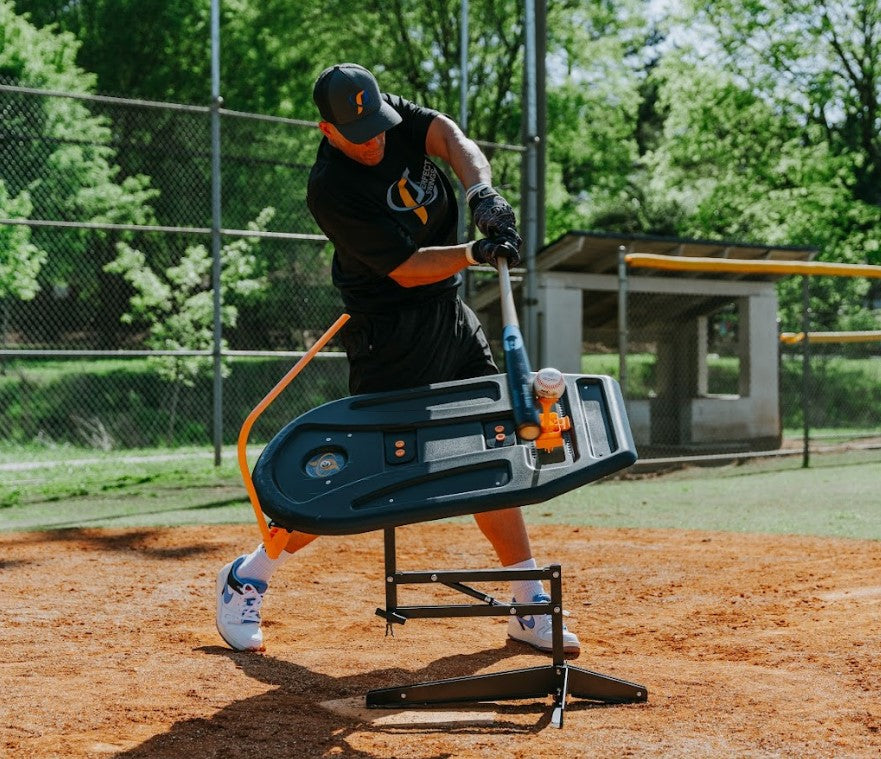
This is why speed trainer bats can help hitters feel whether their swing sequence stays connected or breaks down too early. A flexible training bat, such as the Lag Bat, gives instant feedback when the hands cast, the barrel leaks, or the body tries to force contact with the arms.
How Lag Helps the Barrel Build Speed
Barrel speed matters most when it shows up at contact. A hitter can move fast early and still lose power if the barrel dumps, drags, or enters the zone from a weak angle. Lag helps the barrel build speed later in the swing, where it can do the most damage.
Think of the swing as a chain reaction. The lower half starts the move, the torso turns, the hands stay connected, and the barrel releases. When that chain works in order, the swing creates speed because the body and barrel work together.
How Poor Lag Limits Contact Power
Hitters lose contact power when the barrel releases too early. Early release can show up as casting, rolling over, chopping down, or pulling off the ball. Each flaw changes the path of the barrel and makes square contact harder to repeat.
Poor lag also makes hitters rely too much on the arms. When the arms take over, the swing gets longer, slower, and less adjustable. The hitter may still make contact, but the ball comes off weaker because the barrel does not reach the zone with enough speed or direction.

Why Casting Steals Power
Casting happens when the hands move away from the body too soon, and the barrel takes a wide path to the ball. This move can make the swing look big, but it rarely creates efficient power. It forces the hitter to cover too much space before contact.
A casted swing also makes inside pitches harder to handle. The barrel loops around the ball instead of working through it. When hitters learn to keep the hands tighter and let the barrel lag behind, they shorten the path and give themselves a better chance to square the ball.
The Role of Sequencing in Better Lag
Lag depends on sequence. The hitter cannot create useful lag by thinking only about the wrists or hands. The body must move in the right order so the barrel has time and space to accelerate.
Strong sequencing starts with balance. The hitter loads under control, moves forward with rhythm, and lets the hips and torso begin the turn. The hands then work forward while the barrel stays back. When the hitter rushes any part of that chain, lag disappears, and the swing becomes disconnected.
How Feedback Helps Hitters Feel Lag
Many hitters understand lag in theory before they can feel it in the swing. That gap makes training feedback important. A hitter needs to know when the barrel leaks, when the hands cast, and when the swing stays connected.
The Lag Bat helps create that awareness through its flexible shaft and maple wood barrel. If the hitter rushes the hands, overuses the arms, or releases early, the bat responds immediately. When the sequence works, the barrel lags and then whips through contact with a more connected feel.
Why Relaxed Control Improves Explosive Contact
Explosive swings do not need to feel tense. A hitter needs firm control, but the wrists, hands, and arms must still move freely. Too much tension blocks the barrel from releasing with speed.
A relaxed, connected swing lets the hitter adjust to different pitches. The hitter can stay through the ball, release the barrel later, and avoid cutting off contact. This balance between control and freedom helps turn lag into usable power.
How Grip and Hand Position Affect Lag
Grip matters because the hands control the bat’s relationship to the body. A grip that feels too tight can lock the wrists and reduce whip. A grip that feels too loose can reduce barrel control.
Hitters should hold the bat firmly enough to stay in command while keeping the hands and wrists athletic. Proper hand position helps the hitter lead the swing without dragging the barrel.

How Lag Supports Adjustability
A hitter who releases the barrel too early has fewer options. Once the bat commits, the hitter must live with that path. Better lag gives the hitter more time to adjust while still creating speed.
This matters against changing pitch speeds and locations. A connected swing helps the hitter stay back, keep the hands working, and deliver the barrel where the pitch travels. Lag does not guarantee perfect timing, but it gives the hitter a better movement pattern for making strong adjustments.
Common Mistakes That Break Lag
Many hitters lose lag when they try to swing harder. They rush the upper body, leak forward, or throw the barrel too soon. These habits can create effort, but they usually reduce contact quality.
Another mistake is ignoring feedback. If the ball comes off weakly, the barrel feels unstable, or the swing loses balance, the hitter should slow down and make an adjustment. Quality repetitions matter more than chasing maximum effort on every swing.
Build Lag To Create Stronger Contact
Lag helps hitters turn movement into explosive contact power. It keeps the hands connected, lets the barrel build speed, and gives the hitter more control through the hitting zone. When hitters understand lag, they can stop forcing the swing and start creating cleaner, faster contact.
The best training approach focuses on feel, feedback, and progression. Start with controlled contact, build through tee work and soft toss, and move into batting practice when the swing stays connected. To improve your swing path, barrel release, and contact power, explore the Lag Bat and start training with a tool built to help hitters feel the difference.