
A strong swing does not happen by accident. Hitters need their hands, barrel, body rotation, and contact point to work together through the hitting zone. When one part gets out of sync, the barrel can cut across the ball, drop underneath it, or arrive late to contact.
Attack angle plays a major role in that sequence. It describes the direction the barrel travels as it approaches the ball. A hitter who understands that angle can train with more purpose. Keep reading to understand why adjustable attack angles improve bat path drills and success at the plate.
Why Attack Angle Matters in Hitting

The ball does not travel through the zone on a flat line. Pitchers release the ball from an elevated position, and gravity brings it downward as it moves toward the plate. A hitter who matches that pitch plane with a connected barrel path gives the bat more time to meet the ball cleanly.
That does not mean every hitter should swing with the same angle. Different pitch heights, body types, swing styles, and contact points can change the best path to the ball. Adjustable attack angles help hitters train those differences instead of forcing every swing into one fixed pattern.
A Better Bat Path Keeps the Barrel in the Zone Longer
When the barrel enters the zone too steeply, the hitter may only catch a small part of the ball’s flight path. That creates more swing-and-miss, foul balls, and weak contact. When the barrel works through the zone on a stronger path, the hitter gives themselves more room for timing adjustments.
Adjustable Angles Help Match Different Pitch Locations
A pitch low in the zone requires a different barrel path than a pitch near the hands or letters. If a hitter trains from one fixed tee angle, they may build a swing that works only in one location. That creates problems when pitchers change eye levels.
Fixed Drills Can Limit Swing Development
Traditional tee work still has value, but it can become too simple when hitters repeat the same setup without feedback. A player may take many swings and believe they improved, even while the barrel keeps missing the correct path. Repetition only helps when the movement pattern supports better contact.
Fixed drills can hide flaws because the ball stays still and the setup stays familiar. A hitter may groove a swing that works in practice but breaks down against live pitching. Adjustable attack angles add a layer of challenge that makes tee work more game-like.
Hitters Need Feedback They Can Feel
Good coaching helps, but hitters also need feedback they can feel during the swing. If a hitter rolls the barrel early, casts the hands, or chops down through the ball, the drill should reveal that problem. Clear feedback helps the player connect the result with the movement.
How Adjustable Attack Angles Improve Bat Path Drills
Adjustable attack angles improve bat path drills because they make the work more specific. The hitter can train the barrel to move through the zone at a chosen angle, then change the setup as the drill progresses. That helps the player understand how small changes affect contact quality.
This type of training also helps hitters separate feel from reality. A swing may feel right, but the barrel path may still work against strong contact. When the training station gives clear feedback, the hitter can adjust based on what happened.
They Build Awareness of the Barrel
Many hitters focus on their hands, stride, or finish, but they lose track of the barrel. The barrel decides the quality of contact. If the barrel arrives late, cuts across the zone, or works under the ball, the hitter gives up control. Adjustable angles bring the hitter’s attention back to the barrel’s path.
They Help Train Line Drive Contact
Strong hitters try to drive the ball with a path that supports flush contact. A well-matched attack angle can help the hitter stay through the ball instead of glancing across it. Adjustable attack angle drills give the hitter a clear path to repeat.
Why Bat Path Drills Should Include Tee Work

Tee work gives hitters a controlled place to learn. The ball stays in one location, which lets the hitter focus on movement quality. Coaches can also slow the process down and make small changes without the pressure of pitch speed. That control helps hitters build a foundation before they move into front toss, machine work, or live pitching.
Tee Work Creates Repeatable Practice
A hitter needs repetition to build trust in a swing change. Tee work gives the hitter that repetition without rushing. When the setup includes an adjustable attack angle, each rep can reinforce the correct barrel path instead of simply adding more swings.
Tee Work Helps Hitters Own Their Adjustments
A coach can explain bat path, but the hitter must learn how it feels. Tee work gives players a place to test adjustments and connect them to contact. They can see the ball flight, feel the barrel path, and notice how the swing changes.
Using Adjustable Angles for Different Hitters
Younger hitters may need a simple setup that teaches them to stay through the ball. Advanced hitters may need more detailed angle work that reflects their swing decisions and pitch approach. Adjustable attack angles can support both types of players.
Coaches should start with a path the hitter can handle. Once the hitter repeats that move with control, the coach can adjust the angle and challenge the player.
For Players Who Chop Down on the Ball
Some hitters take the barrel too directly down to the ball. This move can create ground balls, top-spin contact, and a short hitting window. An adjustable angle can help the hitter learn a better path through contact.
For Players Who Drop the Barrel Too Early
Other hitters let the barrel fall too soon. This can lead to popups, mishits, and late contact. Adjustable attack angle work can help the hitter control the barrel without becoming stiff.
How Coaches Can Make Bat Path Training More Effective
Coaches should connect each drill to a clear swing concept. They can explain what the barrel should do through the hitting zone. Simple language helps players understand the adjustment without overthinking.
Change One Variable at a Time
Hitters learn faster when coaches keep the drill simple and intentional. If the coach changes the tee height, attack angle, stance, and cue at the same time, the player may not know which adjustment helped. One change at a time keeps the feedback clear.
Connect the Drill to Game Swings
Bat path drills should support the swing a hitter will use in a game. Training should not create a slow, careful move that disappears when the hitter faces real pitching. Adjustable attack angle work gives the hitter structure, but it still lets them swing with purpose.
Adjustable Angles Make Bat Path Training More Useful
Adjustable attack angles make drills more specific, more realistic, and easier to understand. They help hitters match different pitch locations, stay through the hitting zone, and build a stronger feel for the barrel.
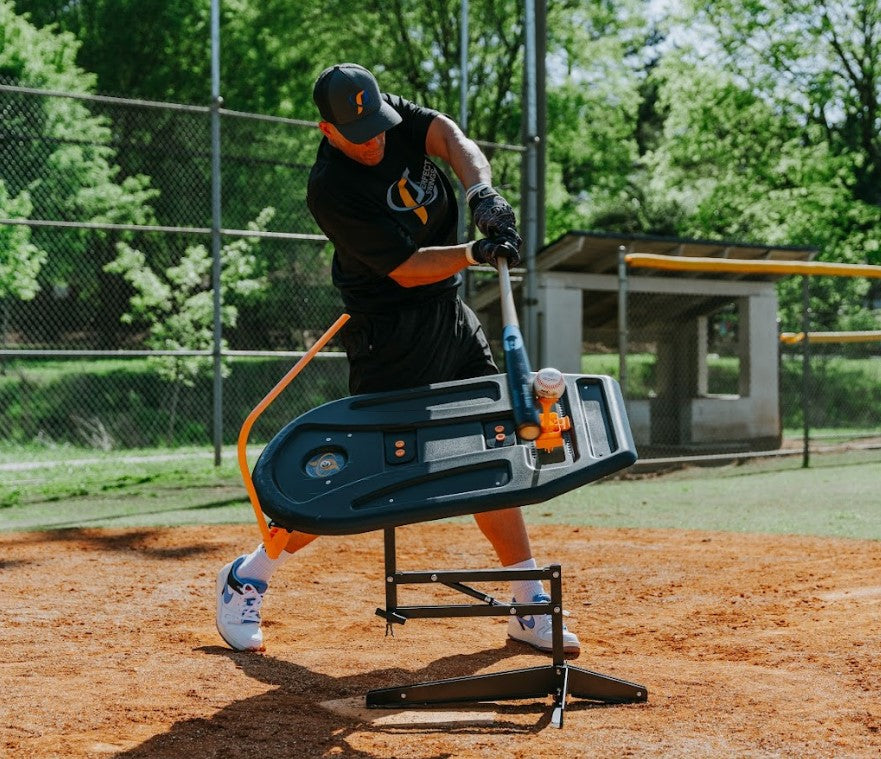
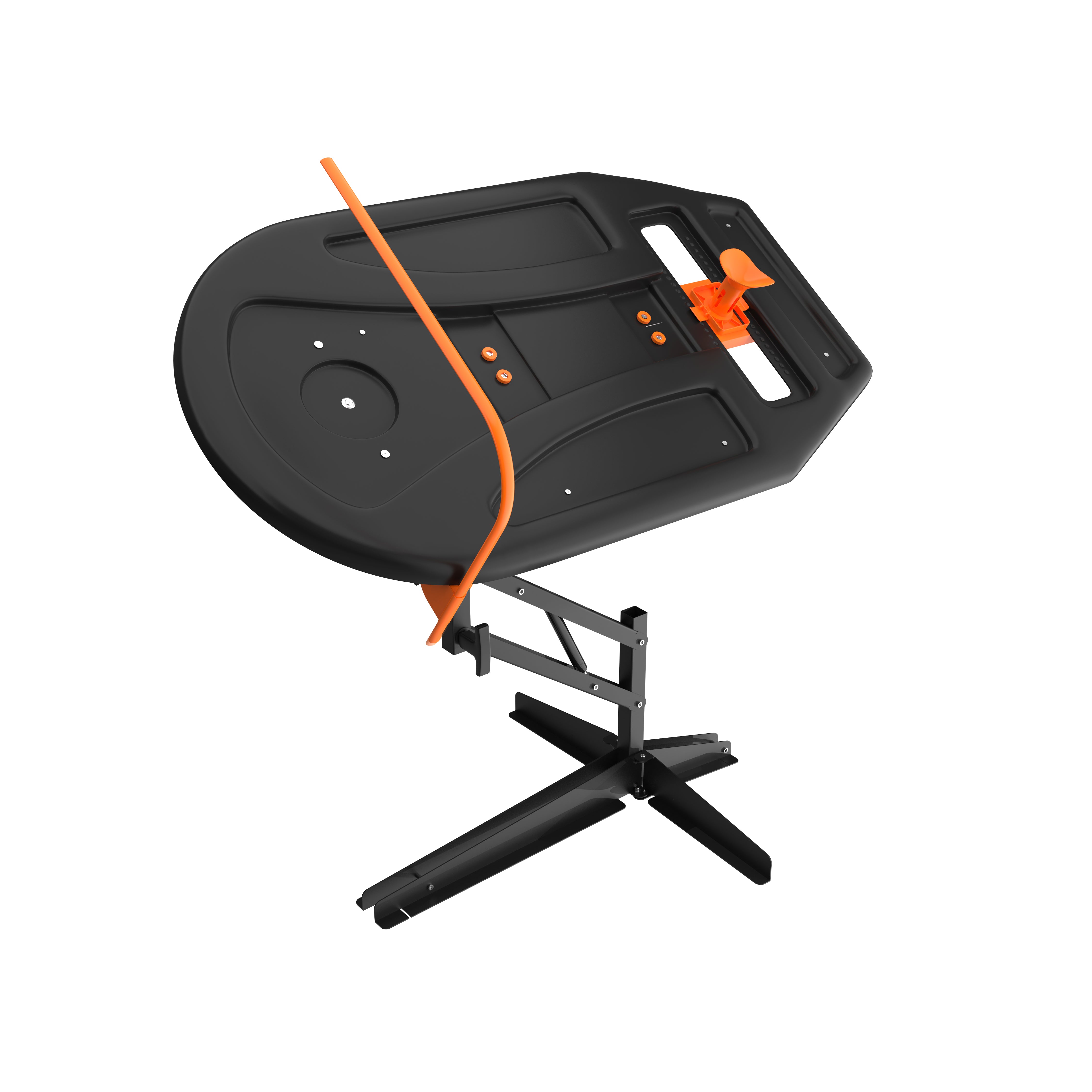
Perfect Swings USA offers innovative softball swing trainers and baseball tees with adjustable attack angles to help batters fine-tune their swing and bat path. Get a trainer today and feel the difference in your swing!