
Making solid contact with the ball requires more than a powerful swing. Hitters must adjust to different pitch locations while maintaining proper mechanics, balance, and timing. Inside and outside pitches present distinct challenges, and understanding how to approach each location can make a significant difference at the plate.
Developing consistency starts with recognizing how pitch location affects your swing. Below, our tips will help baseball and softball players make consistent contact with inside and outside pitches.
Understanding the Difference Between Inside and Outside Pitches
Every pitch location creates a different contact point. A hitter who uses the same approach for every pitch may struggle to reach outside offerings or allow an inside pitch to jam them.
Inside pitches require hitters to make contact earlier. The hands must work efficiently so the barrel can reach the ball without forcing an exaggerated movement.
Outside pitches demand a different approach. Hitters must practice patience to let the ball travel further before making contact, allowing the barrel to reach the outer portion of the strike zone.

Adjusting Your Swing for Inside Pitches
Inside pitches challenge hitters because they reduce the available space between the body and the ball. Successful hitters create enough room to deliver the barrel without pulling their hands away from the body prematurely.
Keep Your Hands Connected
An efficient inside swing starts with proper hand positioning. As the lower body begins rotating, the hands should follow a path that allows the barrel to turn toward the ball.
Avoid throwing the hands outward to reach an inside pitch. This movement can lengthen the swing and make it harder to square up the ball.
Instead, connect the hands to the body's rotation while allowing the barrel to move through the contact zone.
Make Contact Farther Out Front
Inside pitches generally require an earlier contact point than pitches over the middle or outside part of the plate.
Letting an inside pitch travel too deep limits the space available to extend the bat. This can produce weak contact or cause the ball to strike the handle.
During practice, position the ball slightly ahead of the front foot's position at contact, adjusting placement based on the hitter's stance and pitch location.
Building Consistency on Outside Pitches
Outside pitches require patience and control. Hitters must resist the temptation to reach across the plate or pull every ball toward their natural power side.
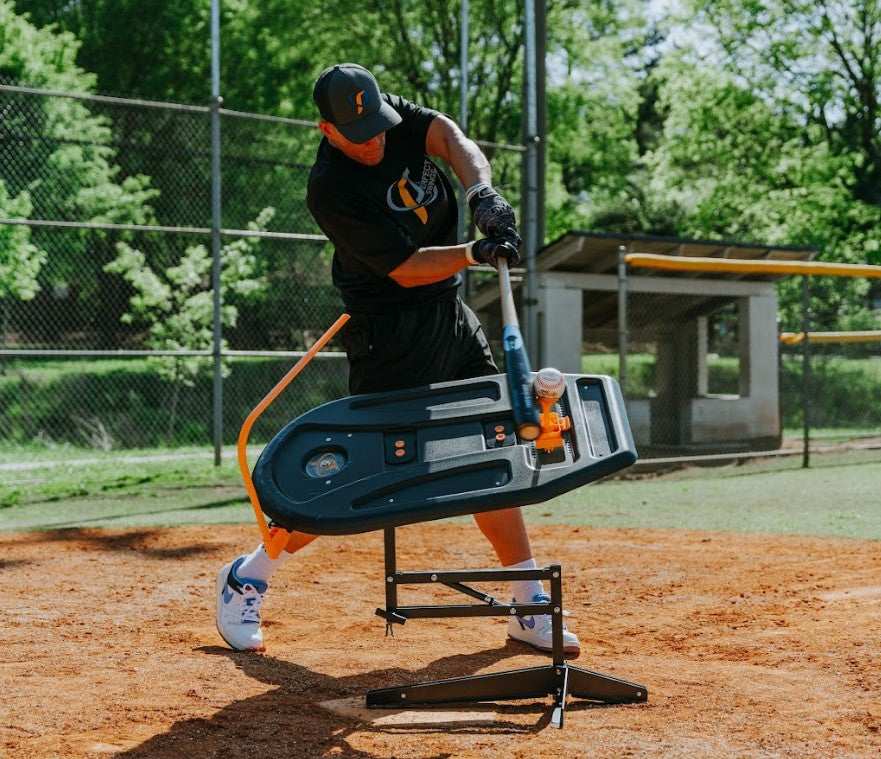
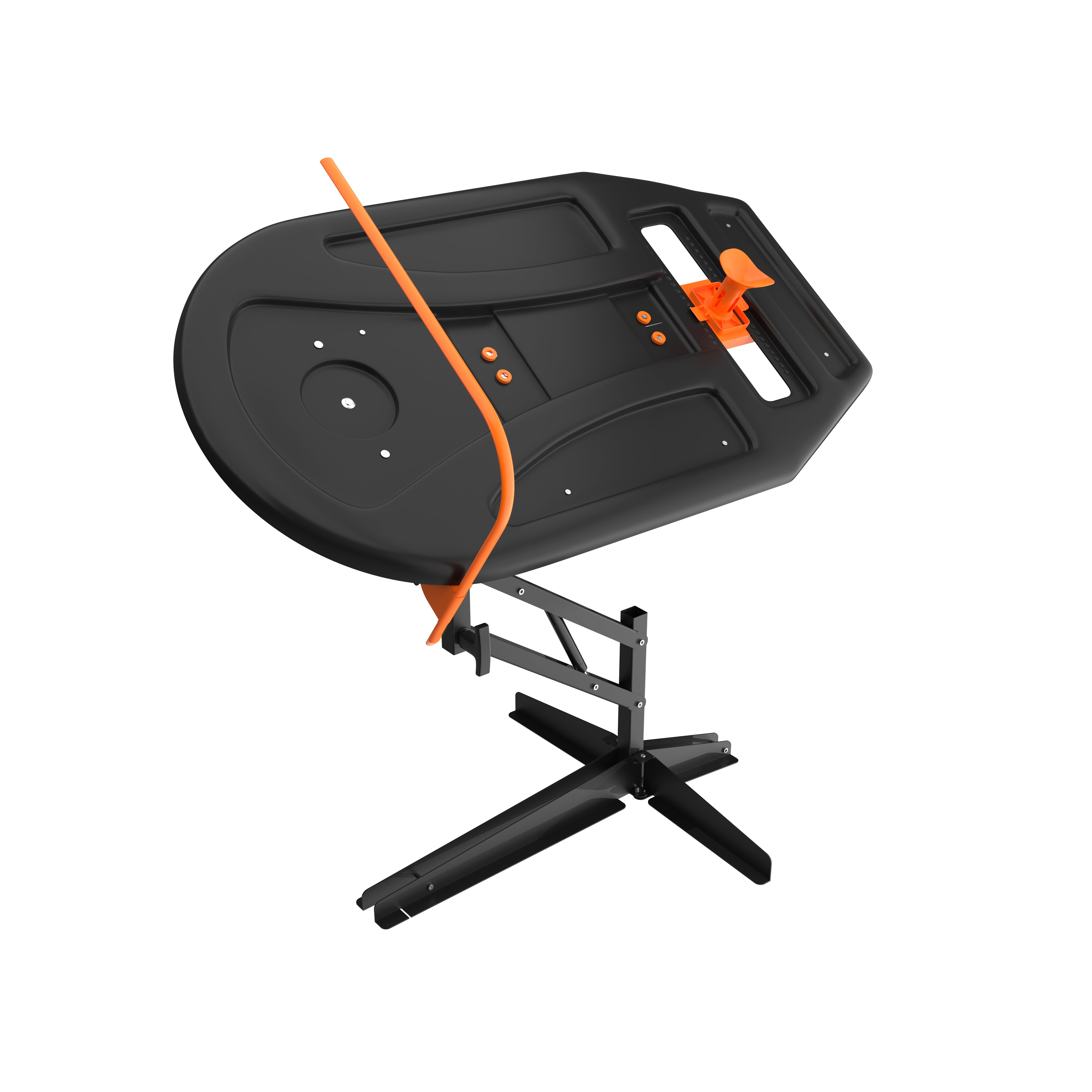
Softball training equipment like the Swing Path Trainer can help hitters develop better awareness of outside contact points while reinforcing a repeatable swing path.
Let the Ball Travel Deeper
One of the most important adjustments for outside pitches involves waiting slightly longer before making contact. A hitter who tries to attack an outside pitch too far out front may roll over the ball or make contact near the end of the bat.
During tee work, place the ball farther back than the typical inside-pitch contact point. Maintain a balanced stance and avoid reaching forward to compensate for the location.
Use the Opposite Field
Driving outside pitches toward the opposite field is an effective way to reinforce proper contact timing.
The hitter should still rotate through the swing rather than simply pushing the bat toward the opposite field. Proper sequencing allows the barrel to accelerate while staying on a productive path to contact.
Maintain Balance Throughout the Swing
An important tip for hitters to produce consistent contact with inside and outside pitches is to stay balanced.
When hitters lose their posture or shift their weight unpredictably, adjusting to inside and outside pitches becomes much harder. A stable foundation allows the body to rotate efficiently while keeping the head positioned to track the ball.
Avoid Lunging Toward Outside Pitches
Reaching for an outside pitch with the upper body can disrupt timing and reduce bat control.
Rather than leaning toward the ball, hitters should maintain their posture and let their rotation help deliver the barrel. The arms can extend appropriately without pulling the entire body toward the outside corner.
Maintain Control on Inside Pitches
Inside pitches can cause hitters to rush their movements.
An aggressive forward stride or premature rotation may leave the barrel in a poor position when the ball arrives. Instead, hitters should maintain a calm stride and allow their lower body to initiate rotation at the appropriate time.
Use Tee Drills to Reinforce Contact Points
Tee work gives hitters an opportunity to practice specific contact locations without worrying about pitch speed or movement. By changing the position of the ball, players can isolate inside and outside pitches while receiving immediate feedback from each swing.
Practice Inside and Outside Contact
Start by placing the tee at an inside contact point. Take several swings while concentrating on balanced rotation and clean contact.
Next, move the tee toward the outside portion of the strike zone and slightly deeper. Hitters should adjust their contact point without making major changes to their stance or overall swing mechanics.
Improve Timing Through Front Toss Drills
Stationary drills establish contact mechanics, but hitters also must apply those movements against a moving ball. Front toss provides a useful transition because coaches can control pitch location and delivery speed.
Alternate Pitch Locations
Begin with predictable tosses to the inside portion of the plate. Allow the hitter to establish a comfortable rhythm before introducing outside tosses.
Once the hitter demonstrates control, alternate between locations without announcing each pitch. This encourages the hitter to recognize the ball's location and make the necessary adjustment rather than anticipating the same pitch repeatedly.
Avoid Changing Everything at Once
When hitters struggle with a particular pitch location, coaches should identify the primary issue before making corrections.
Address one adjustment at a time. Small corrections make it easier for hitters to understand what changed and determine whether the adjustment improved contact.

Improve Pitch Recognition and Decision-Making
Consistent contact begins before the bat reaches the ball. Hitters must recognize pitch location early enough to make effective timing and contact adjustments.
Track the Ball From Release
Hitters should focus on picking up the ball as it leaves the pitcher's hand.
Tracking the ball through its flight helps players judge where it will cross the plate. Coaches can reinforce this skill by varying pitch locations during batting practice.
Practice Recognizing the Strike Zone
Not every inside or outside pitch deserves a swing. Players should develop an understanding of which pitches they can drive effectively and which pitches fall outside their hitting range.
During practice, mix hittable pitches with balls beyond the strike zone. Encourage hitters to make deliberate swing decisions instead of chasing every delivery.
Build More Consistent Contact Across the Strike Zone
Consistent contact with all kinds of pitches comes from understanding how ball location changes the swing. Hitters who maintain balance, recognize the correct contact point, and control their bat path give themselves a better opportunity to square up the ball.
Are you ready to improve your swing and make more consistent contact? Explore the hitting training tools available from Perfect Swings USA to build a more purposeful practice routine and develop better control at the plate.