
A hitter’s swing starts before the barrel moves toward the ball. The load and stride help establish timing, balance, and a strong position for the swing.
Problems can appear when those movements become too active. Excess hand movement, an exaggerated barrel tip, or a rushed stride can make the swing harder to repeat. Below, we’ll break down how a lag bat, like the one from Perfect Swings USA, helps quiet load and stride motions for batters.
Why Quiet Load and Stride Motions Matter
Every hitter prepares differently. Some use a leg kick, some use a toe tap, and others use a short forward move.
The exact style matters less than the hitter’s ability to stay in control. A productive load should help the hitter prepare without creating extra movement they must correct before contact.
When the load becomes too large, several things can go wrong. The hitter may wrap the barrel, drift forward, rush the front foot, or lose connection between the upper and lower body.
Extra Movement Can Disrupt Timing
A complicated move takes more time to complete. If the hitter depends on several large actions before launching the swing, each one must happen at the right moment.
That makes timing more difficult against pitchers who change speeds. A hitter may start too late, rush through the stride, or commit before fully recognizing the pitch.
A quieter move creates fewer variables. The hitter can still move athletically while staying in a position that allows for adjustment.
How a Lag Bat Provides Feedback
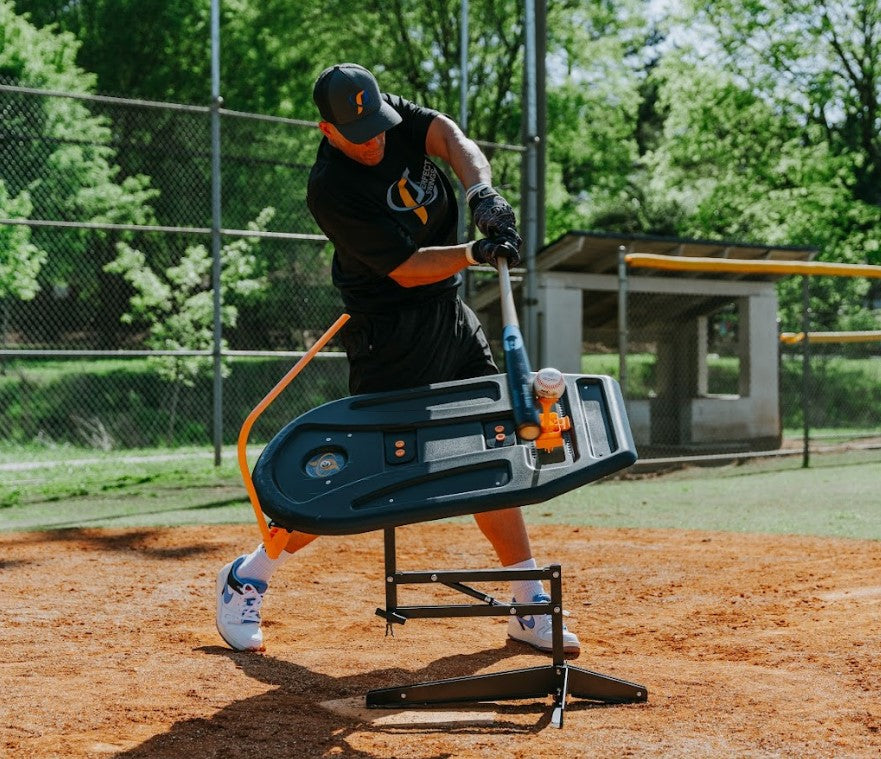
A Lag Bat helps quiet load and stride motions with its flexible shaft that responds to movement during the swing. That response gives hitters physical feedback that can make unnecessary motion easier to recognize.
This bat speed trainer can help hitters become more aware of how their preparation affects the barrel before they rotate.
If the hands move abruptly or the barrel becomes overly active during the load, the hitter can feel the effect through the bat. Smoother movement produces a more controlled response.
The Bat Makes Excess Movement Easier to Feel
A standard bat stays rigid regardless of how the hitter moves it. A player can waggle the barrel or make a large hand load without receiving much feedback from the bat itself.
The flexible shaft changes that experience. Sudden or excessive movement becomes more noticeable.
That does not mean all barrel movement is a problem. Many good hitters use rhythm in their hands and barrel before launching.
The important difference is control. Productive movement supports timing, while excessive movement can force the hitter to recover before swinging.

How the Lag Bat Can Quiet the Load
The load should prepare the hitter to launch. It should not create so much movement that the hitter must reorganize the hands or barrel before attacking the ball.
During Lag Bat work, hitters can pay attention to how the barrel responds as they gather. If the bat becomes unstable during the load, they can simplify their hand movement or reduce unnecessary barrel action.
Organize the Hands
Some hitters push their hands too far away from the body during the load. Others make a large move backward or tip the barrel farther than they can comfortably control.
Coaches do not need to eliminate all hand movement. Instead, they can help hitters organize their hands and connect them to the rest of the body. A smoother load makes it easier to arrive in a strong hitting position without needing a late correction.
Avoid Making the Hitter Rigid
Quiet movement should not become stiff movement.
Hitters still need rhythm and freedom. Trying to freeze the hands or eliminate every bit of barrel motion can create tension and make the swing less athletic.
The better approach is to remove movement that interferes with timing while preserving natural rhythm.
How the Lag Bat Can Simplify the Stride
The stride works with the load to prepare the body for rotation. Whether the hitter uses a short stride or a larger move, it should remain in control.
An aggressive stride can pull the body forward too early. It may also cause the hands and barrel to move before the hitter finishes gathering.
Because the Lag Bat responds to abrupt movement, hitters can use it to become more aware of how the lower half affects the barrel. A smoother stride can help the hitter better control their balance and upper body.
Watch for Drifting and Rushing
Drifting happens when the hitter carries too much weight forward before the swing begins. Rushing occurs when the hitter speeds through the stride because the load starts late or becomes too complicated.
Both issues can reduce adjustability. The hitter may commit too early or rely on the hands to compensate.
A controlled stride gives the hitter more time to recognize the pitch and transition into rotation.
How to Use the Lag Bat in Practice
Lag Bat work should connect directly to hitting. The tool uses a maple barrel that allows hitters to train while contacting baseballs or softballs rather than taking swings without a ball.
Start at a manageable pace. The hitter should focus on controlling the load and stride while still producing solid contact. A simple progression can include:
- Start with tee work and monitor barrel movement during the load.
- Move to controlled front toss while keeping the same preparation.
- Add batting practice as timing demands increase.
- Alternate Lag Bat repetitions with swings using the hitter’s game bat.
This progression increases difficulty without changing the movement the hitter is trying to reinforce.

Keep the Ball Flight in the Conversation
The feel of the training bat matters, but the result of the swing matters too.
Hitters should pay attention to contact quality and direction. If a quieter load improves barrel control while maintaining strong contact, the adjustment is moving in the right direction.
Build a Repeatable Pre-Swing Move
Changing the load or stride takes repetition. A hitter who has used the same large movement for years may not immediately feel comfortable with a simpler approach.
Small adjustments usually make more sense than changing everything at once. Coaches can identify the movement causing the biggest issue and work on that first.
Transfer the Change to the Game Bat
Training tools provide the most value when improvements carry over to normal hitting.
After several repetitions with the Lag Bat, hitters can switch to their regular bat and try to maintain the same controlled load and stride.
That contrast helps connect the training feel to the hitter’s normal swing. Over time, the quieter movement should become part of the hitter’s regular preparation rather than something that appears only during a drill.
Quiet the Movement and Let the Swing Work
A strong swing does not need a complex beginning. The load and stride should prepare the hitter to attack the pitch without creating extra movement that makes timing harder.
The Lag Bat gives hitters feedback that can make unnecessary barrel movement easier to recognize. Using the Lag Bat during tee work, front toss, and batting practice can help players simplify their preparation while maintaining an athletic swing.
If you want to build more purposeful hitting sessions, explore the Lag Bat and other baseball and softball training tools from Perfect Swings USA.