
Coaches who work with both baseball and softball hitters need more than two sets of practice plans. The sports share many hitting principles, but the way those principles appear during a pitch can differ considerably.
Switching between baseball and softball training starts with recognizing what should remain consistent and what needs to change. Coaches can then adjust training without rebuilding their entire hitting philosophy each time they move from one team or athlete to another.
Understanding those distinctions also helps coaches communicate more clearly. Instead of treating baseball and softball as completely different hitting systems, they can adapt familiar concepts to the demands each hitter faces.
Start With the Hitting Principles That Stay Consistent
Baseball and softball hitters still must control their bodies, see the ball clearly, and deliver the barrel into a productive hitting zone. Those fundamentals give coaches a common starting point.
For example, hitters in both sports need a stable base that supports rotation. They also must sequence their lower and upper bodies so the hands do not take over too early. Keeping those shared principles at the center of training makes switching sports easier.
Account for Different Pitching Angles
One of the clearest differences when switching between baseball and softball training is how the ball approaches the hitter. Coaches must build training around those different visual and physical demands.
Baseball pitchers release the ball from an elevated position, while softball pitchers deliver from a lower release point with an underhand motion. The hitter still needs an efficient path through the hitting zone, but the incoming pitch creates a different visual picture.
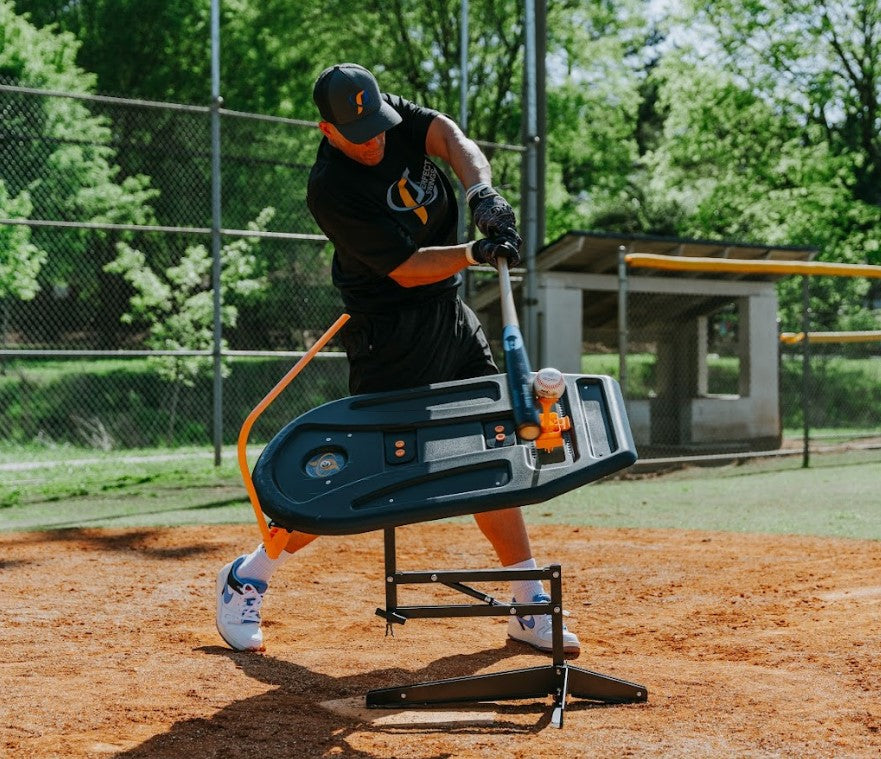
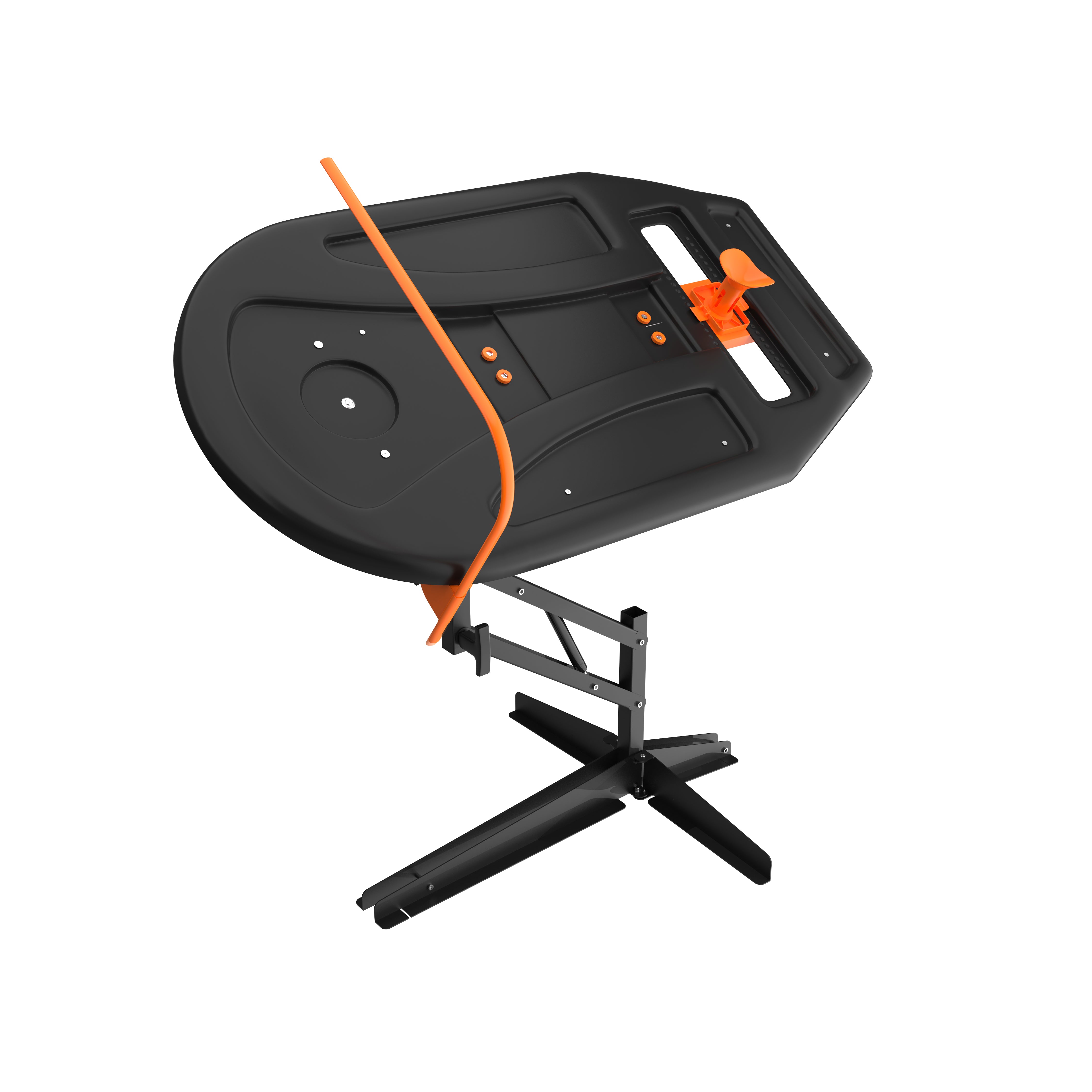
A baseball batting trainer, like the Perfect Swings USA Swing Path Trainer, that can easily switch from baseball to softball training is an incredibly useful tool for coaches and trainers.
Adjust Tosses and Pitch Presentation
Coaches should pay attention to where the practice ball comes from during front toss, side toss, and machine work. A toss that does not resemble the hitter's competitive environment can change how the athlete tracks the ball and organizes the swing.
When moving from baseball to softball training, adjust the height and angle of the feed rather than simply changing the ball. The same principle applies when returning to baseball sessions.
These details matter because hitters react to what they see. Training becomes more useful when the presentation encourages movements that transfer to competition.

Rework Timing Without Completely Changing the Swing
Timing may require one of the largest coaching adjustments between the two sports. Pitch speed matters, but distance, release point, and the hitter's visual reaction time also shape when the swing must begin.
Coaches should not assume that a hitter who looks early or late simply needs faster hands. The issue may begin much earlier in the sequence. A player might need to start the load sooner, simplify the move forward, or recognize the pitch earlier.
Watch the Hitter's Preparation
Instead of focusing only on contact, watch what happens before the barrel accelerates. Look at when the hitter begins to gather, when the front foot prepares to land, and whether the body remains adjustable as the pitch approaches.
The exact timing pattern can differ from baseball to softball. Coaches should give the hitter enough preparation time without creating a rushed movement or a long pause.
Change the Training Environment, Not Every Drill
Coaches do not necessarily need separate drill libraries for baseball and softball. Many productive drills can work for both if the setup reflects the right pitch conditions.
Rather than replacing a drill, change variables such as ball height, toss location, speed, or contact point. A familiar exercise can feel very different when the hitter must respond to a more realistic pitch path.
Useful adjustments include:
- Changing tee height to train different contact locations
- Moving toss angles to reflect the typical pitch presentation
- Adjusting velocity while preserving quality movement
- Varying locations so hitters learn to control the barrel
- Matching equipment placement to the swing path
This approach also makes practices easier to organize. Coaches can build a consistent teaching system while making targeted changes for each sport.
Use the Tee With a Clear Purpose
Tee work gives coaches control over ball location and contact point. That makes it useful when moving between baseball and softball sessions because the coach can change the setup without changing the entire exercise.
Avoid placing the ball in the same location for every repetition. Move it to areas that require the hitter to adjust while maintaining posture and barrel control.
A coach can also use tee placement to identify whether a hitter's movement pattern fits the intended pitch. If the hitter must dramatically manipulate the hands or body to reach the ball, the setup or the swing may need attention.
Connect Tee Work to Live Ball Movement
Tee training works best when it supports what happens against moving pitches. Coaches should connect the movement developed on the tee to front toss, machine work, or live pitching.
For example, if a hitter works on controlling the barrel through an outside contact point, the next progression can present moving pitches in that area. That lets the athlete apply the same movement under greater timing demands.
The progression helps coaches see whether a mechanical adjustment transfers. A movement that looks clean on a stationary ball still needs to function when the hitter must recognize and react.

Adjust Equipment for the Athlete and the Sport
Baseball and softball training sessions can require different bats, balls, tees, and pitching equipment. Coaches should make those changes intentionally rather than treating equipment as interchangeable.
Bat length and weight can affect how an athlete organizes the swing. Ball size and pitching setup can also change the feedback a hitter receives after contact.
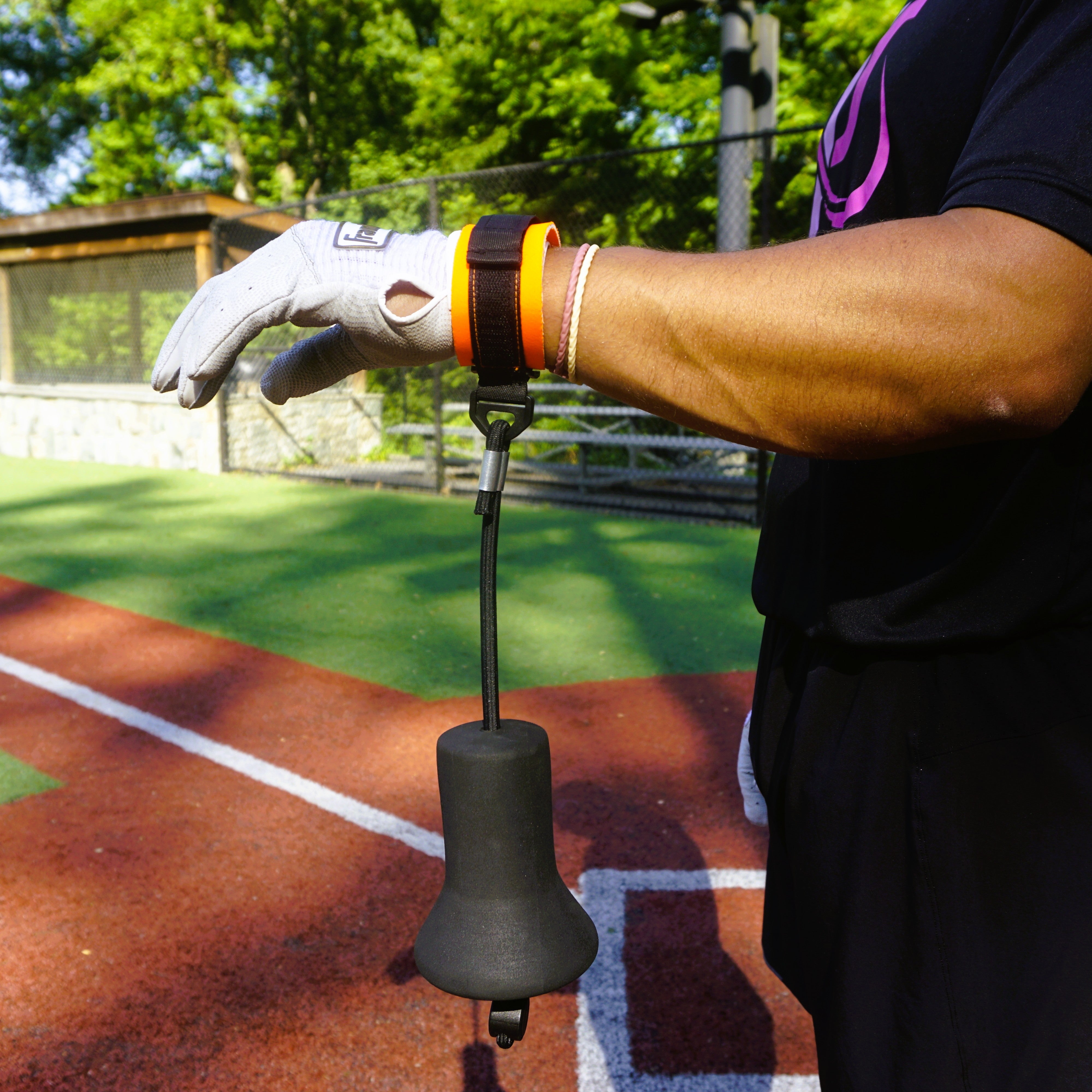
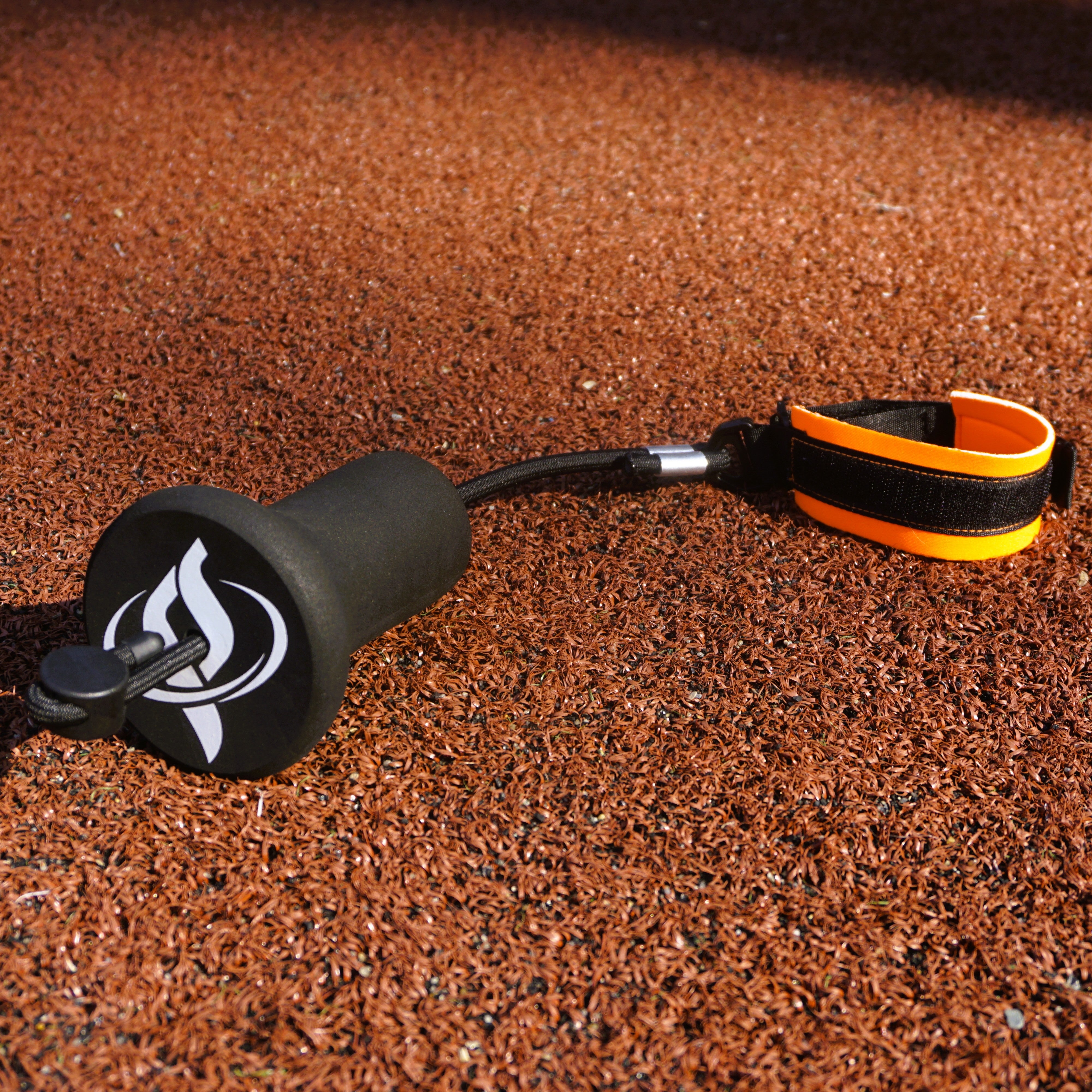
Training tools should reinforce the movement being taught. If a device changes the swing in a way that does not match the coach's approach, it can create confusion instead of useful feedback.
Build Practices Around Transfer to Competition
The value of any drill comes from how well it prepares the hitter for actual pitches. Coaches should keep that standard in mind when switching between sports.
Start with controlled work when a movement needs attention. Then introduce more variable pitch locations and greater timing demands as the athlete becomes comfortable.
Coaches can also return to simpler setups when they see a breakdown. Moving back and forth between controlled and competitive training gives athletes a chance to adjust without losing the connection to game situations.
Make the Transition Intentional
Coaching baseball and softball hitters does not require two separate hitting systems. Strong coaching starts with shared fundamentals and then adapts the training environment to the pitching style, timing demands, and equipment of each sport.
Pay attention to pitch angles, contact locations, practice feeds, and the way each hitter prepares to swing. Small changes in setup can make familiar training methods much more relevant.
Perfect Swings USA develops hitting tools with baseball and softball coaches and players in mind, drawing on years of playing, instruction, and product development experience. Explore Perfect Swings USA training products to build more purposeful hitting sessions and give baseball and softball athletes feedback they can carry from practice into competition.