
A powerful baseball or softball swing starts with much more than strong wrists. The legs create force, the core transfers it, and the upper body helps deliver the barrel through the hitting zone. Still, the wrists play an important role as the hitter controls the bat through contact and into the finish.
Improving wrist and forearm strength can give a hitter better command of the barrel without changing the swing into a hands-dominated movement. The key is building useful strength that supports proper mechanics. Below, we’ll outline some essential wrist strength exercises for stronger hitting.
Why Wrist Strength Matters for Hitters
Strong wrists help a hitter control the bat as it moves at high speed. The wrists connect the hands to the rest of the kinetic chain, so they need enough strength and stability to manage the forces the swing creates.
That does not mean hitters should try to power the swing primarily with their hands. Lower-body rotation and efficient sequencing remain essential. Wrist strength supports those movements by helping the hitter maintain control of the barrel as the swing develops.
Bat Control Through the Hitting Zone
A hitter has very little time to recognize a pitch, decide whether or not to swing, and deliver the barrel. Once the swing starts, stable hands and wrists help the hitter keep control as the bat accelerates.
This becomes especially valuable when a pitch does not arrive exactly where expected. A hitter still needs to adjust to different heights and locations while maintaining an efficient path. Better wrist stability can make those adjustments easier to manage without forcing extra movement.
Build Wrist Strength That Transfers to Hitting
Wrist exercises have the most value when they complement actual hitting practice. A hitter can use strength work to improve physical capacity, then reinforce proper movement while hitting baseballs or softballs.
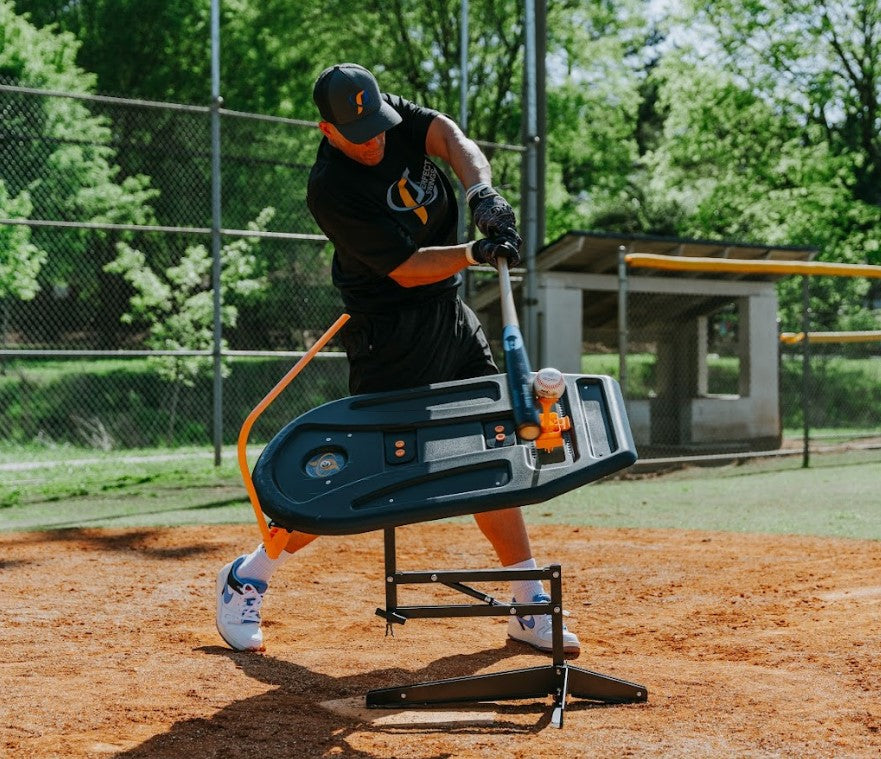
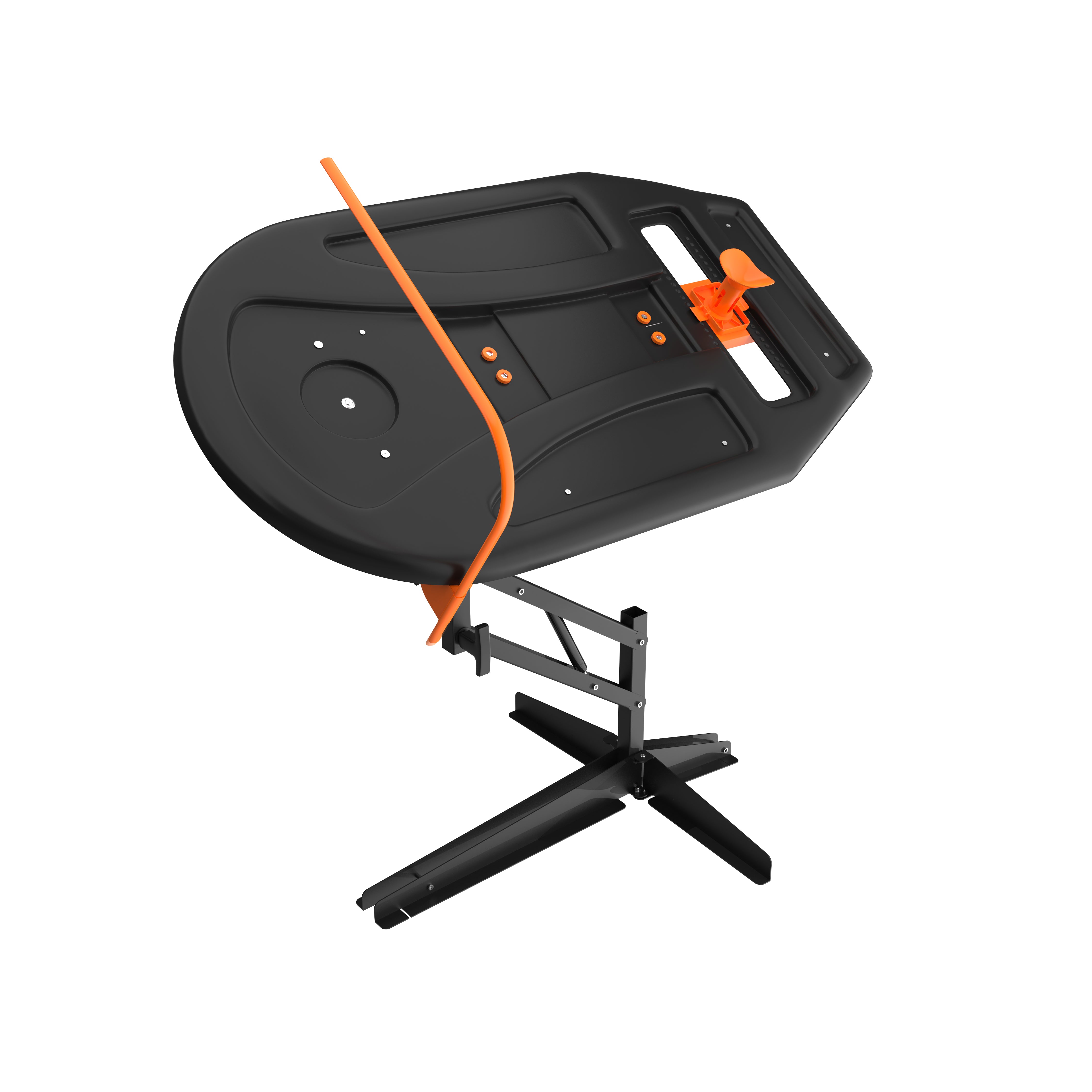
Pairing that work with a baseball hitting trainer can also help players connect strength with better swing mechanics. For example, the Perfect Swings USA Swing Path Trainer gives hitters immediate physical feedback as they work on keeping the bat on an efficient path through stationary tee work.
Wrist Curls for Flexion Strength
Wrist curls are an essential exercise for stronger hitting because they provide a simple way to strengthen the muscles on the underside of the forearm. Sit with your forearm on a bench or your thigh while holding a light dumbbell with your palm facing upward.
Let the wrist move through a comfortable range, then curl the weight upward using only the wrist. Keep the forearm stable instead of turning the exercise into an arm movement.
Reverse Wrist Curls for Balance
Hitters should train both sides of the forearm. Reverse wrist curls target the muscles along the top of the forearm and help balance traditional wrist-curl work.
Start with the palm facing downward and the forearm supported. Raise the back of the hand toward the forearm, lower it under control, and maintain a smooth pace. Because these muscles may handle less weight, hitters should start lighter than they would with regular wrist curls.

Strengthen Forearm Rotation
The forearms also help control rotation of the hands and bat. Training pronation and supination can build strength through this rotational movement without requiring complex equipment.
Hold a light dumbbell, small hammer, or similar object vertically with the elbow bent. Slowly rotate the forearm so the palm changes orientation, then return to the starting position.
Develop Grip Without Over-Gripping the Bat
Grip strength can support bat control, but hitters need to distinguish between having strong hands and constantly squeezing the handle. Building grip strength away from hitting practice gives the hands more capacity without teaching the athlete to create extra tension during every swing.
Simple carries work well because they require the hands and forearms to maintain a steady contraction. Hold a dumbbell or kettlebell in each hand and walk with good posture for a controlled distance or amount of time. Choose a resistance that challenges the grip while allowing the shoulders and arms to remain in a natural position.
Try Towel Holds and Plate Pinches
Towel holds add a different grip challenge because the athlete must control a softer, less stable surface. Wrap a towel around an appropriate weight or sturdy handle, grip it securely, and maintain the hold for a short period.
Plate pinches provide another option when proper equipment and supervision are available. Hold light plates between the fingers and thumb while keeping the wrist in a neutral position.
Add Wrist Stability With Isometric Work
Not every wrist exercise needs visible movement. Isometric exercises train the athlete to resist movement, which can help develop stability.
Hold a light dumbbell with the wrist in a neutral position and maintain that position for several seconds. Resistance bands can also provide gentle pressure from different directions while the athlete keeps the wrist steady.
Train Both Sides Consistently
Baseball and softball are rotational sports, but hitters still benefit from balanced strength development. Training both wrists and forearms can reduce major differences between the two sides and create a more complete foundation for movement.
That principle also applies to exercise selection. Instead of spending an entire session on one type of wrist curl, include flexion, extension, rotation, grip, and stability work across the week.
How to Add Wrist Exercises to a Training Routine
Wrist work does not need to dominate a strength session. Since the hands and forearms already contribute to hitting, throwing, lifting, and other baseball activities, a small amount of focused training can provide plenty of stimulus.
Two or three wrist and forearm exercises at the end of a regular workout may be enough for many players. Younger athletes should prioritize technique, light resistance, and coaching rather than trying to match the loads of older players.
Avoid Fatiguing the Hands Before Hitting
Timing matters when combining strength work with baseball practice. Exhausting the forearms immediately before a high-quality hitting session can make it harder to control the bat and evaluate swing mechanics.
When possible, complete demanding wrist exercises after hitting or separate them from skill work. This keeps the athlete fresh when working on contact, timing, and swing path.
Turn New Strength Into Better Swing Control
Getting stronger in the weight room does not automatically produce a better swing. Hitters still need repetitions that teach them to apply their physical abilities to the movements they use at the plate.
Tee work provides a controlled setting for making that connection. A hitter can focus on maintaining stable hands while allowing the larger parts of the body to drive the swing.
Build Stronger Wrists and a More Complete Swing
Wrist and forearm strength can give hitters another layer of control as they develop their swing. Wrist curls, rotational exercises, grip work, and stability training can all contribute when athletes use sensible resistance and sound technique.
The next step is connecting that strength to productive hitting practice. Perfect Swings USA designs training equipment to help baseball and softball players work on swing path, barrel control, and repeatable mechanics. Explore the Perfect Swings USA lineup and find a training setup that can help turn your strength work into more productive swings.