
If you want to hit for distance, you need to focus on bat speed. While physical strength helps, it is only useful if it translates into moving the bat faster through the hitting zone, transferring maximum energy to the ball. One of the most effective ways to improve bat speed is with weighted swings through overload and underload training.
The Simple Science Behind Bat Speed
To understand why the ball travels the way it does, we must look at the chain reaction that happens during a swing. It starts with bat speed, which creates exit velocity, which ultimately determines distance.
Bat Speed Drives Exit Velocity
Bat speed directly influences exit velocity, which is how fast the ball comes off the bat. Coaches and data analysts use a practical rule of thumb to measure this relationship. Generally, every single mile per hour you add to your bat speed adds about 1.2 to 1.5 miles per hour of exit velocity, assuming you make solid contact.
That might not sound like a massive number at first glance. But these small numbers compound incredibly fast when you look at the final result.
Exit Velocity Drives Distance
Exit velocity is the primary driver of how far your ball will travel once it leaves the bat. A simple rule of thumb shows that for every extra mile per hour of exit velocity, you gain roughly four to five feet of distance. An increase of just five miles per hour can result in twenty-five extra feet of carry. This extra distance can change a routine flyout into a home run. You aren't just chasing a higher radar gun reading; you are fighting for the extra feet that put runs on the scoreboard.
Why Mechanics Still Matter
While speed is the engine, proper mechanics are the steering wheel that guides your swing. Bat speed is only effective if you stay on plane, square up the ball, and deliver the barrel to the contact point efficiently. Swinging incredibly fast but missing the sweet spot by even a half-inch can cost you up to ten miles per hour in exit velocity and fifty feet in distance.
A hitter who swings out of control may generate high raw bat speed, but that speed is useless without barrel control. The goal isn't just to move the bat fast; it's to move it fast while maintaining a clean, direct path to the ball. This combination ensures that your power translates into solid contact and optimal results.

How to Train Bat Speed: Overload and Underload
Bat speed improves when the body learns to move faster without losing its sequencing or control. This is where overload and underload training come into play. Overload and underload training with weighted swings is an excellent strategy for improving bat speed.
What Overload Training Does
Overload training involves using a bat that is slightly heavier than your standard game bat. This type of training focuses on the muscles responsible for the swing. It increases functional strength within the specific swing pattern and improves overall force production.
When you swing a heavier implement, your body recruits more muscle fibers to move the mass. It forces you to use your kinetic chain efficiently because you cannot manipulate a heavy bat with just your hands or arms. You must engage your legs, hips, and core.
What Underload Training Does
Underload training means using a bat that is lighter than your game bat. While overload builds the engine, underload training teaches that engine to rev faster. By swinging a lighter bat, you can move significantly faster than you normally would.
This "tricks" the nervous system into experiencing a new top speed. Over time, your brain and body adapt to this new velocity and begin to accept it as normal. This improves your swing quickness, enhances your intent, and teaches you to accelerate aggressively through the zone.
The Key: Use Both in the Right Order
The real power comes from pairing these methods together rather than choosing just one. The contrast between heavy and light sensations creates a unique training stimulus for your nervous system. By following a structured sequence, you can maximize your gains in both strength and velocity.
Start with an overload bat to build strength and awareness of your barrel path. Next, switch to your game-weight bat to reinforce your standard mechanics and timing. Finish your session with an underload bat to unlock your maximum swing speed and explosiveness.

Sample Overload and Underload Training Block
You can perform this training block two to three times per week. It works best before practice or early in a hitting session, when you are fresh. Remember that the goal is quality swings, not quantity. If you tire and your swings become sluggish, your mechanics suffer.
Round 1 – Overload (Heavier Bat)
- Take five to six swings.
- Focus on intent and a clean, efficient path.
- Feel the barrel and make your body move your entire weight, not just your arms.
Round 2 – Game Bat
- Take six to eight swings.
- Focus strictly on timing and barrel accuracy.
- Re-calibrate your feel for the standard weight.
Round 3 – Underload (Lighter Bat)
- Take five to six swings.
- Swing with maximum intent.
- Focus on a quick turn and an explosive finish.
- Move faster than you think is comfortable.
Rest for thirty to forty-five seconds between rounds. You want max effort on every swing.
What Hitters Should Feel
During this training, pay close attention to specific physical sensations. While using the overload bat, you should feel grounded, strong, and fully connected to your lower half. The added weight engages your large muscle groups and forces your body to sequence correctly. Can you feel your core and legs doing the heavy lifting?
When you return to your game bat, focus on a balanced swing that feels effortless and repeatable. Switching to the underload bat should make your hands feel incredibly fast, loose, and explosive. This is your moment to let it fly and push your speed limits while maintaining high intent. Remember, speed only translates to the field if you stay efficient and keep your mechanics sharp!
Why This Works
Overload and underload training work by challenging your body through both physics and biology. This method raises your hitting ceiling by expanding what your body can achieve. By forcing your muscles to self-organize, you naturally eliminate inefficient movements and sharpen your technique.
The heavy bat punishes poor mechanics while the light bat rewards explosive, smooth acceleration. This trains your nervous system to override internal limits and safely access higher speeds. It effectively converts raw gym strength into usable power that translates directly to game day.
Final Takeaway
Bat speed is the gateway to performance. Bat speed creates exit velocity. Exit velocity creates distance. Distance changes the outcomes of games.
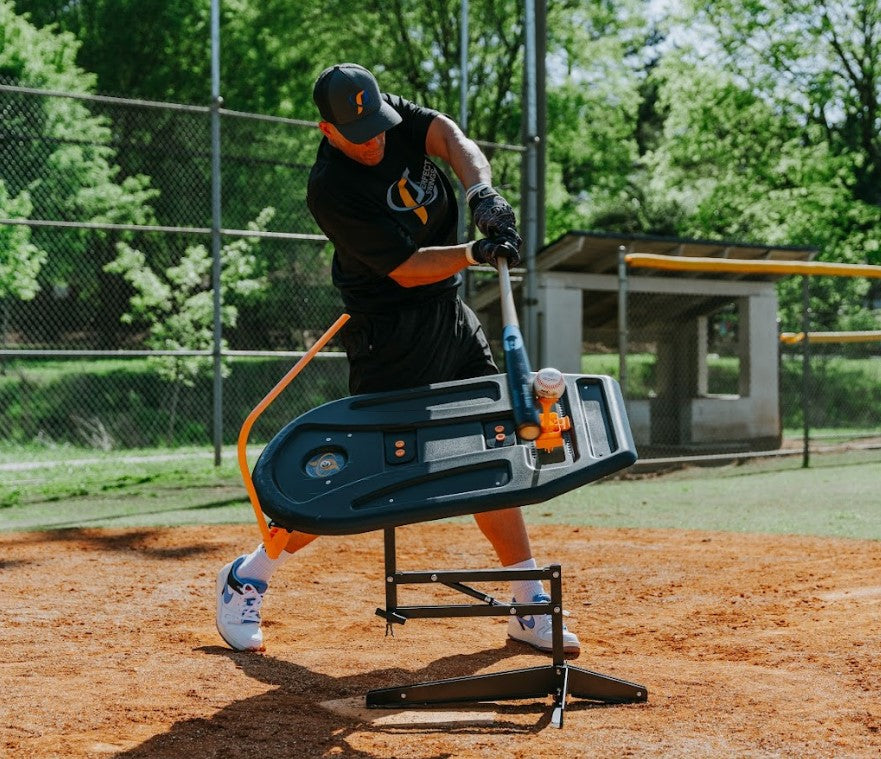
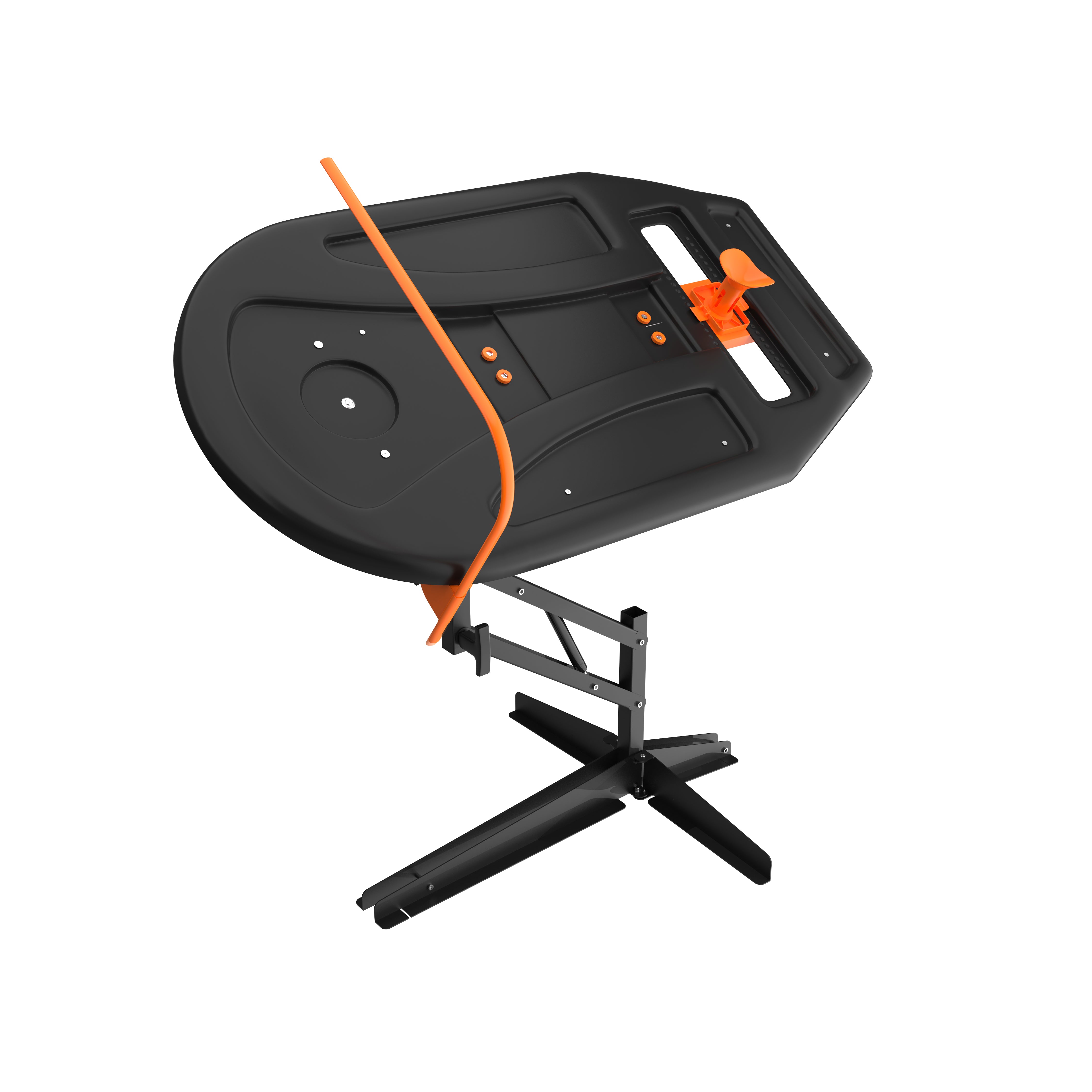
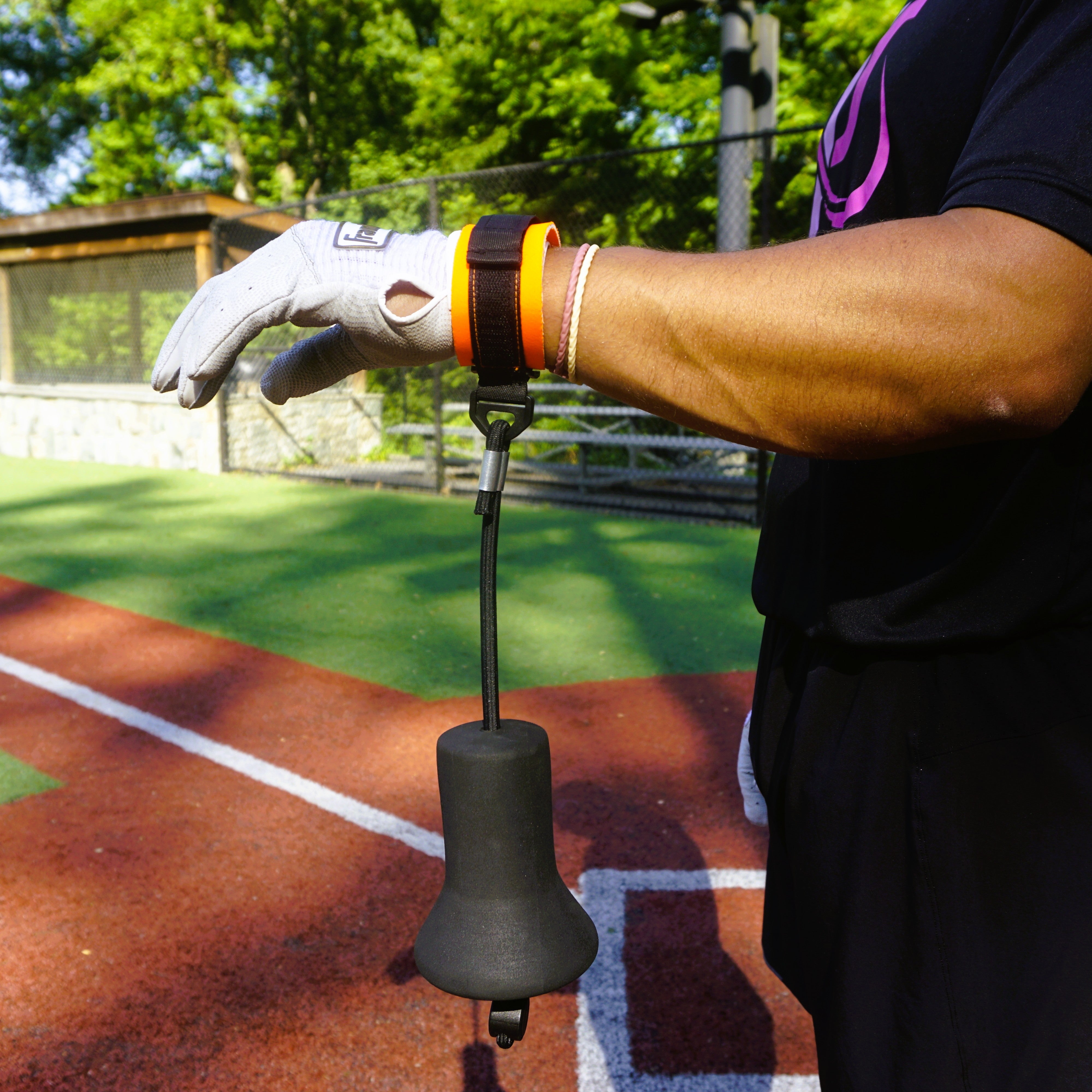
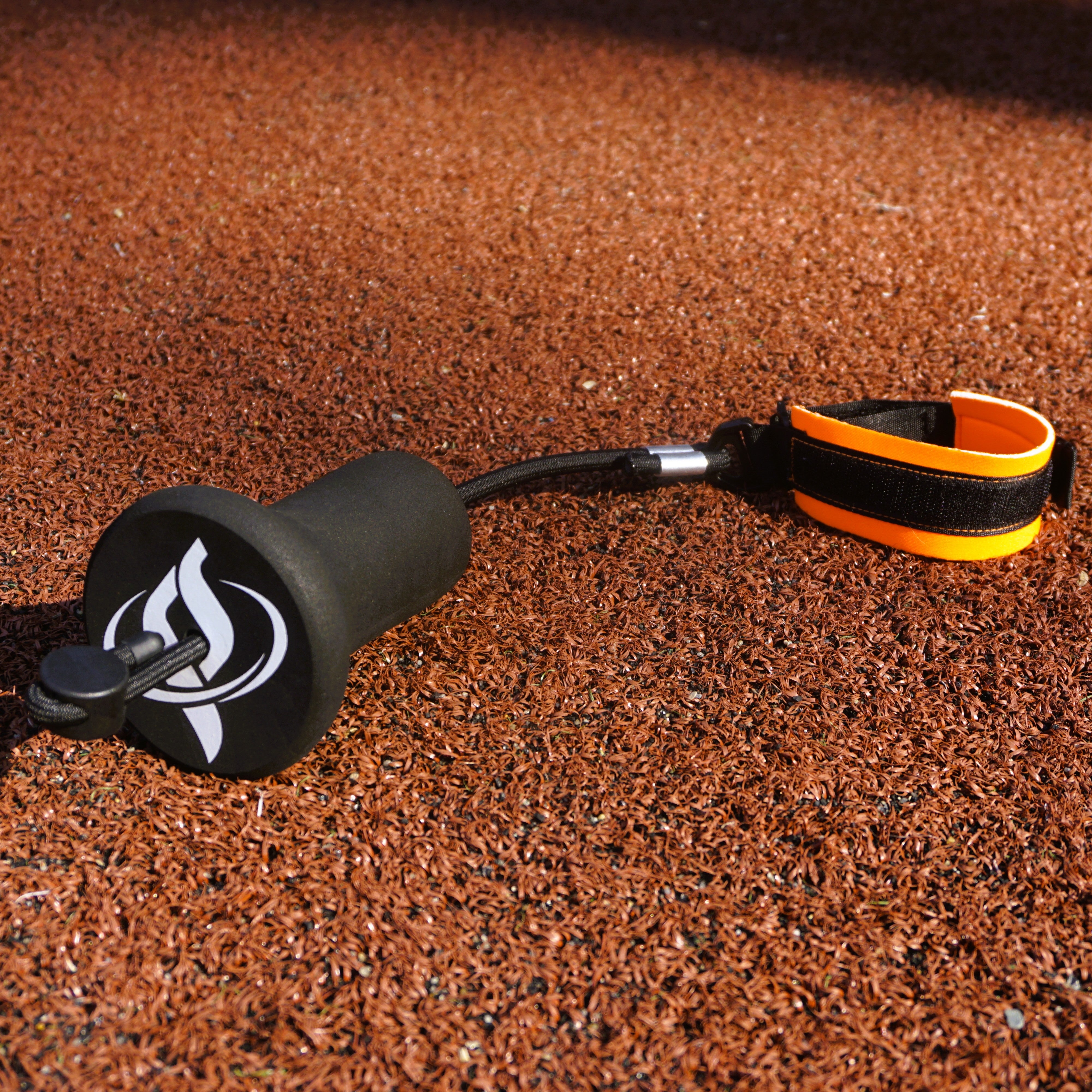
You must train intentionally, and you need the right tools for training. That’s where Perfect Swings USA comes in. We offer superior baseball and softball training equipment for players and coaches, from the Swing Path Trainer IV to the Lag Bat and more. Shop our advanced swing aids to help you and your players develop a swing that strikes fear into the heart of pitchers!