
Every serious hitter wants to find that secret weapon, that one training tool that unlocks more power, speed, and consistency at the plate. While there's no single magic bullet, some tools fundamentally change how you understand and execute your swing. A lag bat is one of those game-changers.
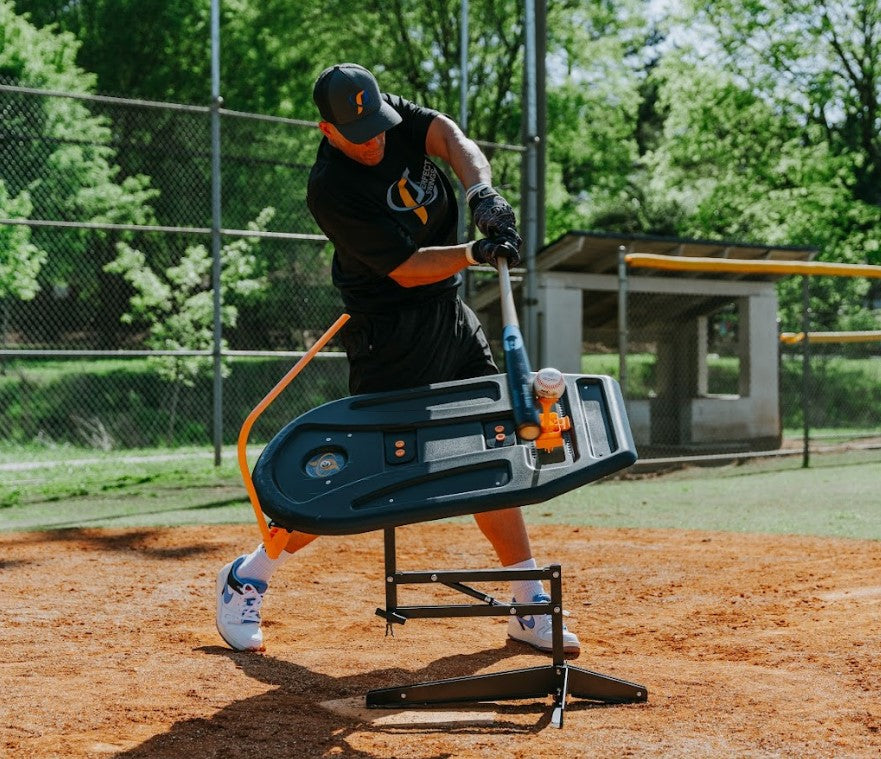
The lag bat, with its uniquely flexible shaft and maple wood barrel, teaches hitters how to create perfect "lag" in their swing. Lag is that crucial moment where your hands lead the barrel through the hitting zone, creating a whip-like effect that generates explosive bat speed and power upon contact. Below, we provide hitters with the dos and don’ts to remember when training with a lag bat.

The Dos of Lag Bat Training
To get the most out of your Lag Bat sessions, you need to approach your training with intention and discipline. Following these practices will help hitters build good habits, improve mechanics, and avoid injury.
Prioritize a Proper Warm-Up
Never start a training session by grabbing your lag bat and swinging at full speed. Your body must prepare for the dynamic movements of hitting. A proper warm-up increases blood flow to your muscles, improves flexibility, and activates the specific muscle groups you'll use to swing.
Master the Correct Grip and Hand Position
How you hold the lag bat is fundamental to developing proper lag. Utilize a firm grip, but also allow your wrists to move freely. Hold the bat with your knuckles in alignment to put your wrists in a strong, neutral position.
The weighted design of the bat speed trainer encourages correct hand positioning, how to setup correctly, and teaches you to lead the swing with your hands, keeping the barrel back until the right moment. Focus on maintaining this hand-ahead-of-barrel position throughout the swing to feel the lag effect. This control is what builds muscle memory for a more powerful and efficient swing.
Connect Your Body for Speed and Power
Using a lag bat refines your hand positioning and helps synchronize your entire body during the swing. By encouraging proper mechanics, the lag bat trains you to engage your core, hips, and legs effectively, creating a seamless flow of energy from your lower body to your hands.
This connection forces batter to utilize their entire body to generate power, rather than relying solely on your arms. Staying connected throughout the swing allows batters to deliver maximum speed and force at the point of contact with the ball, resulting in harder, more consistent hits.
Focus on Controlled, Smooth Swings
The goal of training with a lag bat is not to swing as hard as you can. Instead, focus on technique and feeling the mechanics of a connected swing. Start with slow, deliberate practice swings to understand how the flexible shaft responds to your movements.
You should feel the barrel "lagging" behind your hands as you initiate the swing and then whipping through the zone at contact. It should feel like you’re throwing the bat, which helps you understand using your body for barrel control while swinging instead of just your wrist and hands. By prioritizing smooth motions, you train your body to move efficiently and eliminate common flaws like casting or an early release of the barrel. Power will come naturally as your technique improves.
Follow a Gradual Progression
Jumping into advanced drills too quickly is a recipe for frustration and poor mechanics. A gradual progression is key to building a solid foundation. Begin your training with tee work. This allows you to concentrate solely on your swing mechanics without the added variable of a moving ball.
Once you feel comfortable and consistent off the tee, you can move on to soft-toss drills. This step introduces timing and helps you apply your refined mechanics to a pitched ball. Only after mastering these stages should you progress to hitting live pitching at controlled batting practice speeds.
Incorporate Real Balls into Your Practice
Unlike many training bats that are only suitable for foam or wiffle balls, the Lag Training Bat from Perfect Swings USA lets you experience authentic contact. This is crucial for getting real-time feedback on your swing. Hitting real balls at batting practice speeds helps you understand how your improved lag translates into ball flight and exit velocity. It bridges the gap between practice and game-day performance, directly developing the skills that matter most when it counts.
The Don'ts of Lag Bat Training
Just as important as knowing what to do is knowing what to avoid. Now that we understand the dos of lag bat training, it’s time to review the don’ts. These mistakes can cause injury, reinforce bad habits, and ultimately hinder your progress.
Don't Overexert Yourself
It can be tempting to swing for the fences with every cut, but overexertion is one of the biggest mistakes you can make with a lag bat. Swinging too hard or for too long can create fatigue, which breaks down your form and increases your risk of injury. Remember that this is a training tool for refining mechanics, not a game bat for maximizing power in every swing.
Don't Neglect Proper Form
The flexible shaft of a lag bat will expose any flaws in your swing. If you feel the bat bending excessively or uncontrollably, it's a sign that your mechanics are off. Do not try to muscle through it or sacrifice your technique to make contact.
Instead, slow down and reassess your swing. Are you casting your hands, dropping your back shoulder, or using too much hands in the swing? Use the feedback the bat provides to make corrections. The purpose of the Lag Bat is to build a better swing, so always prioritize proper form over raw power.
Don't Lock Your Wrists or Arms
Locking your wrists during your swing limits both your power and your ability to adjust effectively to different pitches. A fluid, unhindered wrist movement helps generate bat speed and allows better barrel control, giving you the ability to adapt to off-speed pitches and unexpected ball movement.
Keeping your wrists relaxed and flexible ensures you can whip the bat through the zone with maximum efficiency while maintaining proper mechanics. Focus on feeling the natural flow of your hands and wrists throughout the swing, and trust the process to develop better timing and explosiveness.
Your grip is fundamental to proper mechanics for your wrists and arms. Hold the bat firmly but not too tight—think of it as a relaxed handshake. Place your hands so that your knuckles align, and keep the bat resting in your fingers rather than your palms. This grip allows for better control, flexibility, and power throughout your swing.

Integrate and Elevate Your Swing
Training with a lag bat is an incredibly effective way to develop a powerful, efficient swing. By following our advice, you can safely incorporate this tool into your routine and see remarkable improvements. Focus on quality repetitions, listen to the feedback from the bat and your body, and progress at a steady pace.
Are you ready to unlock your most powerful swing? The Lag Bat from Perfect Swings USA provides the instant feedback you need to stop casting, stay connected, and release the barrel with explosive power. Explore our training tools and start your journey toward a perfect swing today.