
A hitter’s grip does more than hold the bat. It helps control the barrel, manage tension, create a clean swing path, and make contact with more consistency.
Small grip adjustments can change how the bat moves through the zone. For baseball and softball players, those changes can make the difference between rolling over, popping up, or driving the ball with better direction. Below, we’ll outline some of the ways in which grip adjustments can instantly boost your bat control.
Why Grip Matters for Bat Control

Bat control starts before the swing begins. A poor grip can create extra tension in the hands, wrists, and forearms. That tension can slow the barrel, limit adjustability, and make it harder for the hitter to react to pitch speed or location.
The right grip should help the hitter stay loose, move the barrel freely, and swing with purpose. Good training habits, consistent reps, and the right training equipment can support that process.
What Bat Control Really Means
Bat control means the hitter can guide the barrel through the hitting zone with accuracy. It does not mean steering the bat or forcing the hands through the swing.
A player with good bat control can adjust to inside pitches, outside pitches, high pitches, and low pitches while still taking a strong swing. They can also keep the barrel in the zone longer, which gives them more room for timing adjustments.
Control Does Not Mean Weak Contact
Some hitters think control means slowing the swing down. That approach can cause weak contact and late swings.
True bat control lets the hitter swing aggressively while still managing the barrel. The goal is to take a strong swing with better direction, better timing, and better contact quality.
How Hand Position Affects the Swing

Grip adjustments can boost your bat control instantly, and it starts with hand positioning. How you position your hands influences how the bat enters the hitting zone. If the hands start in a poor position, you’ll need to adjust once the pitch is on the way.
A clean hand setup gives the body and barrel a better chance to work together. The hitter can load, launch, and rotate without fighting the bat.
Keep the Grip Loose, Not Lazy
A relaxed grip helps the hitter stay quick. The fingers should control the bat without squeezing it too hard in the palms.
That does not mean the grip should feel weak. The key is firm enough to manage the bat, yet loose enough to let the wrists and barrel move naturally.
The Role of Knuckle Alignment
Knuckle alignment can affect how the wrists work during the swing. Many hitters benefit from lining up the door-knocking knuckles in a comfortable, natural position.
However, every hitter has a different hand size, strength, and mobility. Hitters must find a grip that keeps their wrists free and the barrel under control.
Why Over-Rotation Can Hurt Control
If a hitter rotates the hands too far around the handle, the barrel may enter the zone at a poor angle. This can cause early rollovers, weak ground balls, or inconsistent contact.
The hitter should check whether the grip allows the barrel to work through the ball. If the wrists feel tight, the hands need a small adjustment.
Why Under-Rotation Can Also Cause Problems
If the hands sit too far the other way, the hitter may struggle to release the barrel. This can make the swing feel stiff and late. The hands should feel athletic, not rigid.
Grip Pressure and Swing Adjustability
Grip pressure can make or break bat control. Too much pressure creates tension, while too little makes the bat feel unstable.
The hitter should aim for a controlled, relaxed grip before the pitch. As the swing begins, the hands can naturally apply more pressure through contact.
Tension Slows the Barrel
When a player squeezes the bat too hard, the forearms tighten. Tight forearms slow the hands, reduce barrel speed, and make the swing harder to adjust.
A relaxed setup helps the hitter respond instead of panicking. The player can move with the pitch, stay on plane longer, and make cleaner contact.
How Coaches Can Teach Grip Adjustments
Coaches should keep grip instruction simple. Players do not need a long technical explanation before every swing.
Start by checking how the player holds the bat. Look for excess palm pressure, locked wrists, extreme knuckle alignment, or visible tension in the forearms.
Use Simple Cues
Good cues help hitters make changes without overthinking. A coach might tell the player to hold the bat in the fingers, loosen the forearms, or feel the barrel before the swing.
The best cue depends on the hitter. Some players respond to feel-based language. Others respond better when they see the difference in ball flight, contact point, or swing path.
Connect Grip Work to Ball Flight
Grip adjustments should show up in contact quality. If the hitter makes a change, watch what happens to the ball.
Better grip control may help reduce rollovers, improve opposite-field contact, or create a cleaner path through the zone. Ball flight gives the player quick feedback.
How Players Can Practice Grip Changes
Players should make grip adjustments during regular hitting work. They should avoid changing too many things at once.
Start with tee work, front toss, or controlled batting practice. Focus on how the bat feels in the hands, how the barrel moves, and how the ball comes off the bat. Using the right baseball or softball training equipment here is crucial to practice your grip effectively.
Make One Adjustment at a Time
A hitter should not change grip pressure, hand position, stance, and load all in the same session. If they do this, it’s impossible to tell what’s working and what’s not.
Choose one grip focus for the round. For example, the hitter may work on keeping the bat more in the fingers, relaxing the forearms, or finding a more comfortable knuckle position.
Track What Feels Repeatable
The best grip adjustment is one that the hitter can repeat. It should hold up during practice, games, and higher-speed pitching.
If a change only works for a few swings, the player may need more reps or a simpler adjustment. Comfort matters, but results matter too.
Small Grip Changes Can Create Better Swings
Grip adjustments may seem small, but they can have a major impact on bat control. The way a hitter holds the bat affects tension, barrel awareness, swing path, and adjustability. Players, coaches, and parents should treat grip as part of the full hitting process. A cleaner grip can help hitters stay loose, control the barrel, and make stronger contact across more pitch locations.
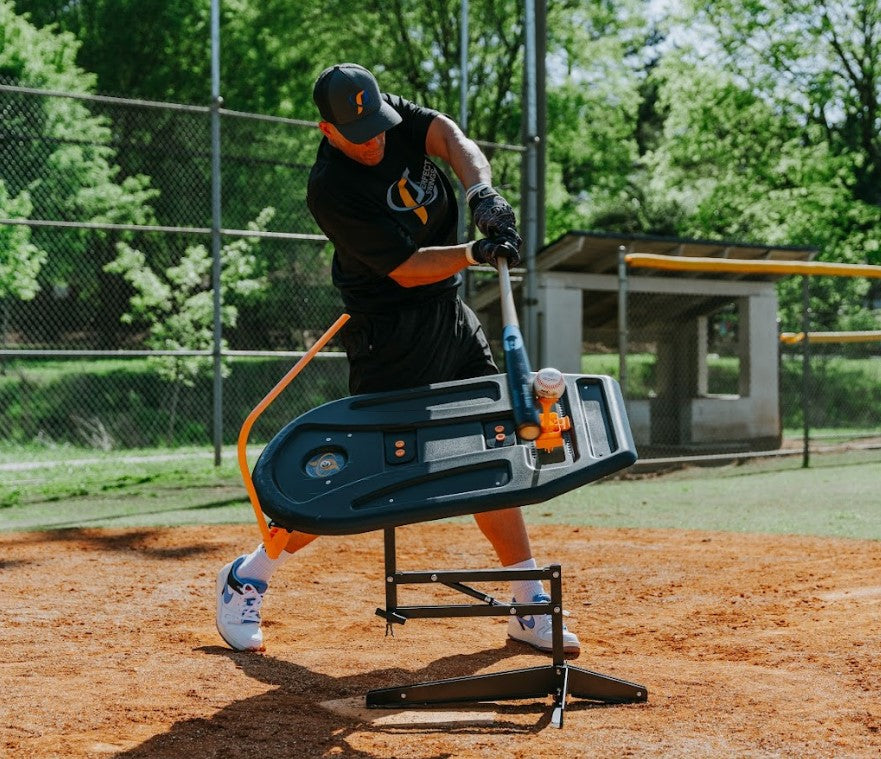
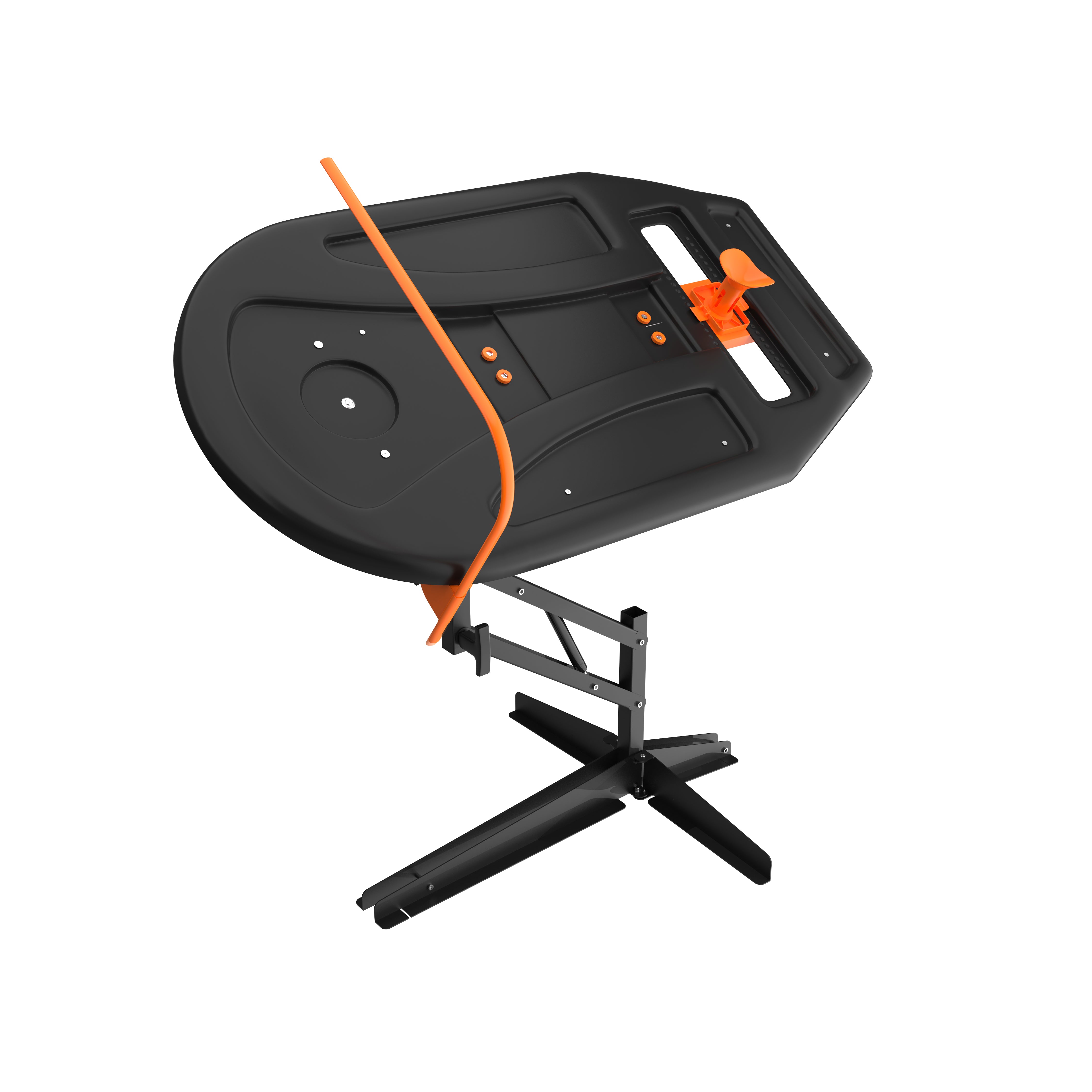
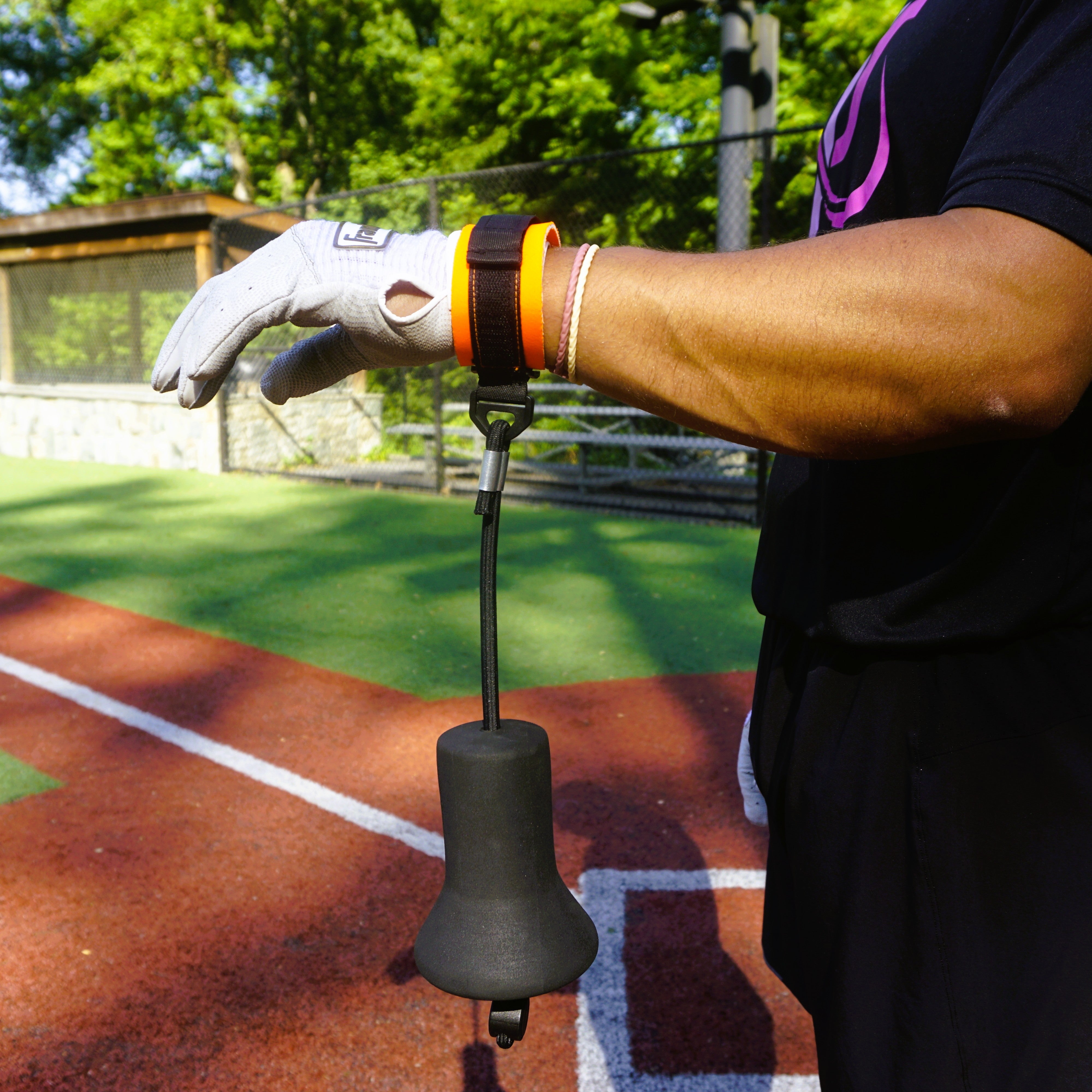
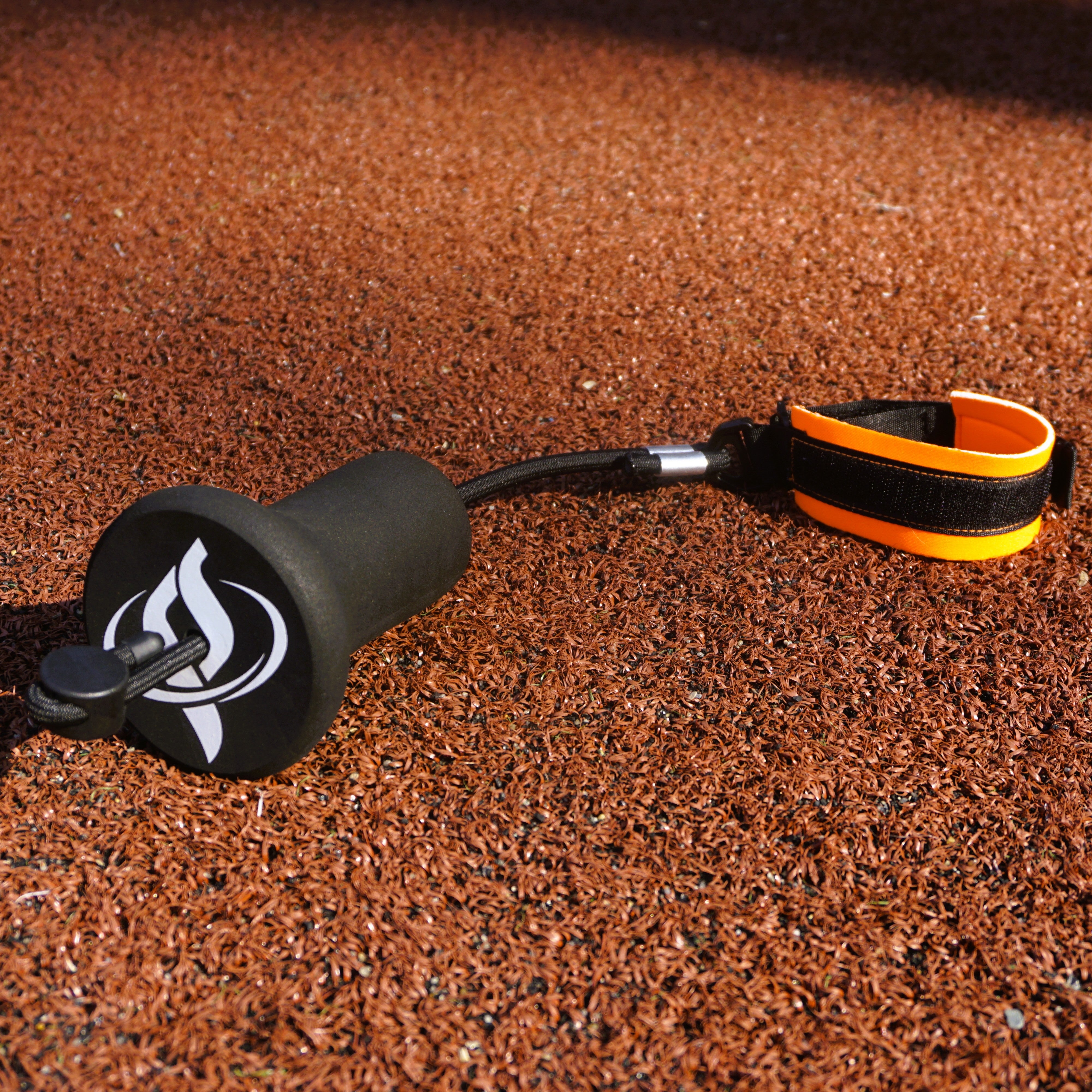
If you’re ready to build better swing habits, explore Perfect Swings USA training tools! Our training equipment, like the Swing Path Trainer and the Lag Bat, can help hitters develop more control, better timing, and a more consistent path through the zone.