
Breaking balls can make even good hitters look lost. A sharp curveball or late slider changes speed, changes shape, and forces hitters to make decisions in a split second. The difference between a weak rollover and a hard line drive usually starts before the swing ever begins.
That is why hitters need a plan. Good breaking-ball hitters do not guess wildly, drift forward, or try to do too much. They stay under control, read the pitch early, and trust simple movements that let them adjust. Keep reading for our breakdown of the dos and don’ts of hitting breaking balls.
Why Breaking Balls Give Hitters Trouble
Breaking balls disrupt timing first. Most hitters grow up seeing a steady diet of fastballs in practice, so their bodies wants to move early and commit early. When a pitcher adds spin and reduces velocity, that same early move leaves the hitter out in front.
Breaking balls also challenge posture and barrel control. If a hitter leaks forward, flies open, or drops the back shoulder, the bat enters the zone poorly and stays there for too little time. Our guide to the dos and don’ts of hitting breaking balls will help batters stay patient and know when to attack off-speed pitches and when to lay off.
Do: Start with Early Pitch Recognition
The best breaking-ball hitters train their eyes to gather information right away. They look for release height, spin, and initial trajectory instead of waiting too long to decide. If you recognize the shape of the pitch early, you give your body more time to stay balanced and make a better decision.
That does not mean you need to identify every pitch perfectly. It means you should learn to notice clues that tell you the pitch is not a fastball. Game situations also matter. Two-strike counts, pitcher’s counts, and sequences after a hard fastball all raise the chance of spin.
Don’t: Commit Your Weight Too Early
One of the biggest mistakes hitters make against breaking balls is drifting forward before they know what they are getting. Once the front side leaks and the head moves, adjustability disappears. The hitter may still touch the ball, but the contact quality drops fast.
Staying stacked gives you a better chance to hold posture and react late. You should always be in control of your stride, and your move into launch should feel athletic instead of rushing into it. If you center your body correctly, your hands have a chance to work to the right part of the ball.
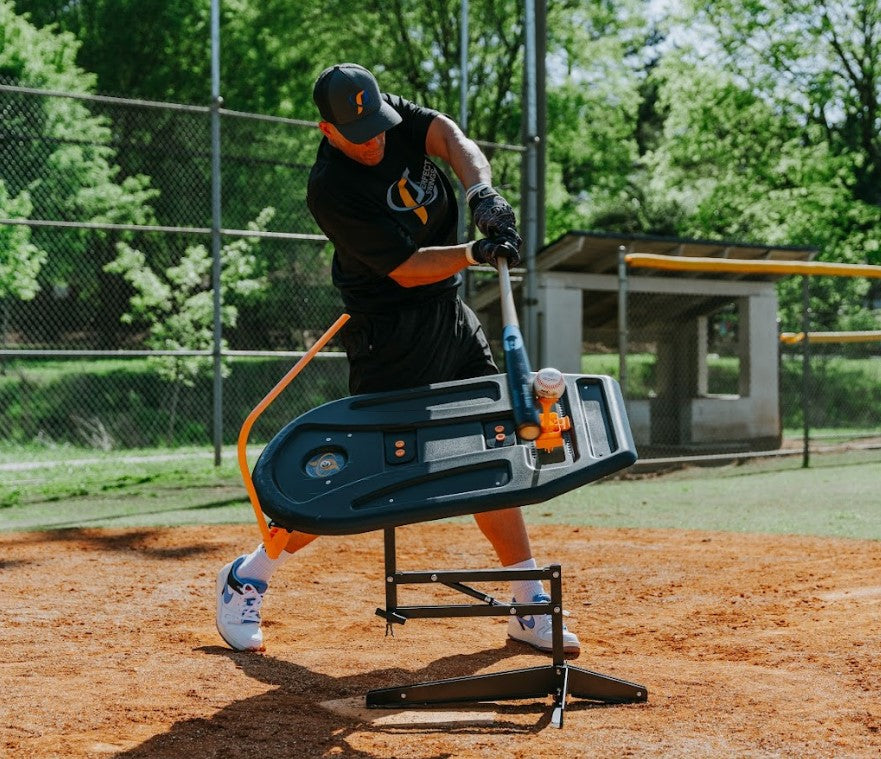
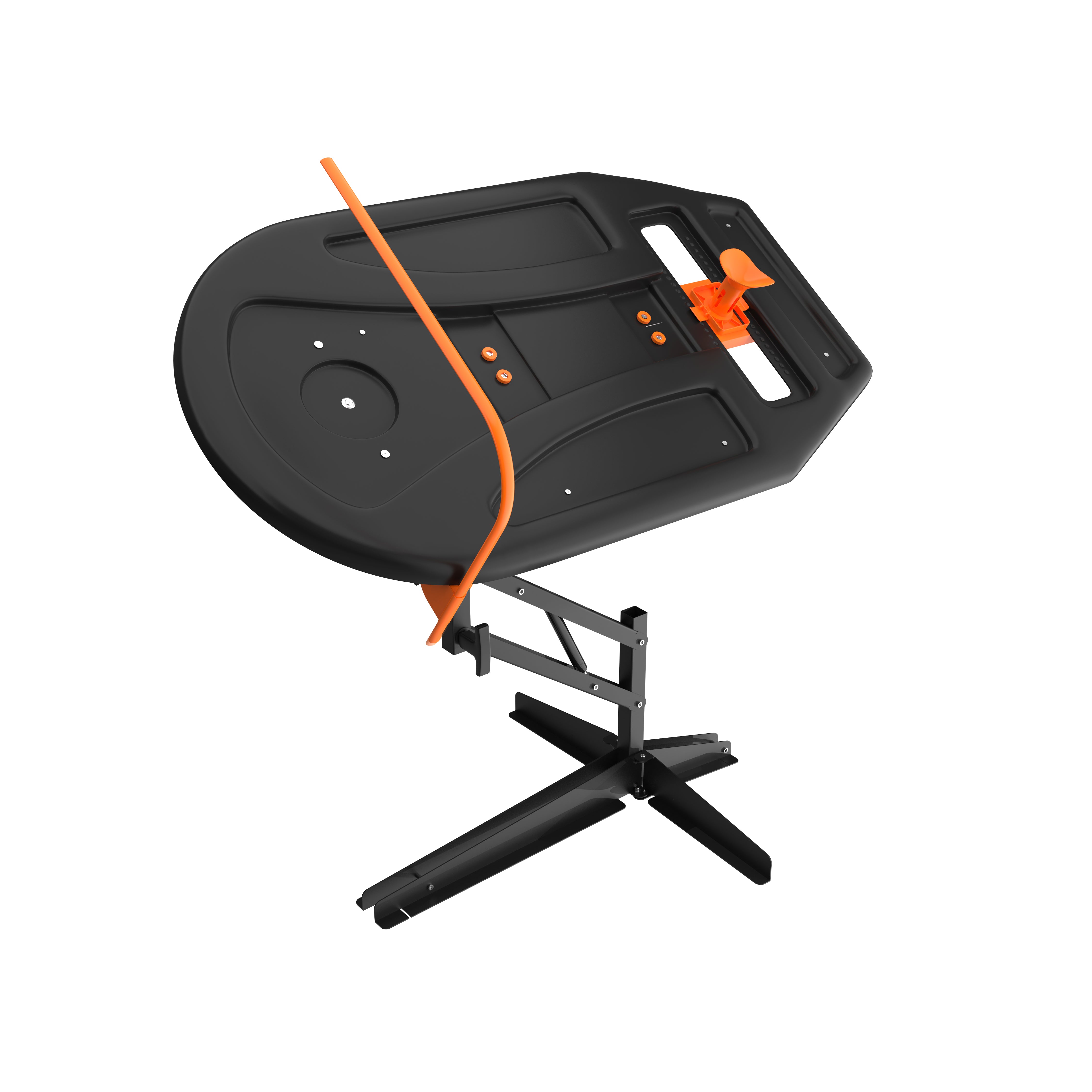
This is where practice design matters. A baseball hitting trainer that gives immediate feedback on path and helps reinforce efficient bat angle can help hitters clean up movements that breaking balls expose.

Do: Let the Ball Travel
Trying to hit a breaking ball too far out front creates weak ground balls, rollovers, and empty swings. Since the pitch is moving laterally or vertically, you need extra time to see it, track it, and match the barrel to it. Letting it travel keeps your barrel available longer.
This does not mean getting jammed. It means allowing the pitch to come to a contact point that matches its speed and movement. Against many breaking balls, that contact point sits deeper than it does on a firm fastball.
Don’t: Try to Lift Every Breaking Ball
Hitters get in trouble when they chase loft on every pitch. A low breaking ball already changes plane, so adding an exaggerated uppercut usually creates swing-and-miss or poor contact. You do not need a dramatic move to drive spin.
A better goal is matching the plane of the pitch with a controlled attack angle. The Swing Path Trainer allows for adjustable angles, so batters can train their bat path to stay in the zone longer, which supports this kind of efficient move rather than a steep, all-or-nothing swing.
Do: Keep Your Head Quiet and Your Eyes Level
Breaking balls tempt hitters to pull off the ball. As the pitch moves, the front shoulder flies open, the head yanks, and vision gets worse at the exact moment the hitter needs clarity. A quiet head helps the eyes track the ball longer.
Level eyes matter because they help you judge depth and movement. When posture collapses, the visual picture changes, and pitch recognition gets harder. Staying tall through the torso while retaining an athletic bend in the lower half gives you a stronger tracking position.
Don’t: Chase Breaking Balls Below the Zone
Many breaking balls look hittable for a moment, then disappear under the barrel. Off-speed pitches will especially fool young hitters when they decide too early and swing at the front of the pitch instead of the finish of the pitch. Good hitters learn to make the pitcher bring that ball up.
A useful mental cue is to see the pitch higher for longer before you offer. If it starts down, stays down, or feels like it is pulling your eyes downward too soon, let it go. Taking a tough pitch is a win. This is also where game awareness (what the count is, how many outs there are, whether baserunners are in scoring position) can help batters anticipate when pitchers might want to get them to chase with a breaking ball in the dirt.
Do: Practice Breaking-Ball Adjustments with Intent
Game improvement comes from focused reps. Hitters need batting practice and tee work that reinforce balance, path, and adjustability. Random swings do not build the skill of handling spin.
Intentional practice should include recognizing spin, holding posture, and driving the ball on a line. Keep the focus narrow and the standard high.

Don’t: Abandon Your Best Swing
A breaking ball should not force you into a totally different identity as a hitter. You still want rhythm, balance, and conviction. The adjustment is not a brand-new swing. The adjustment is better control within your swing.
When a breaking ball beats hitters, they sometimes respond by becoming defensive, stiff, or handsy. That usually creates even more problems. Trust your setup, stay on time as long as possible, and let your mechanics work with small adjustments instead of large ones.
Hit Better with Perfect Swings USA
Hitting breaking balls comes down to discipline and adjustability. When hitters train good habits with purpose, breaking balls become less intimidating. They slow the game down, make better swing decisions, and give themselves a real chance to square up pitches that used to beat them.
For players and coaches building that kind of repeatable move, the Swing Path Trainer aligns naturally with the goal. The Perfect Swings USA tool offers instant feedback, adjustable attack angles, and teaches hitters to keep their bat in the zone for longer. Purchase your trainer online, or contact our staff to learn more today!