
Great mechanics are not about making a softball swing look perfect. They are about building a move that repeats under pressure. A hitter needs balance, rhythm, connection, and a path that gives them room to adjust. When those pieces work together, the swing becomes quicker, simpler, and more powerful.
This ultimate guide breaks down the core mechanics of a fastpitch swing. It explains what each phase should do and how hitters can train better movement patterns without making the motion feel robotic.
Why Fastpitch Swing Mechanics Matter
Fastpitch creates a different challenge than baseball. Pitchers release the ball from a closer angle, speeds play up because of reaction time, and hitters must deal with rise, drop, spin, and location changes in a very short window. That environment rewards swings that stay efficient from start to finish.
Good mechanics help hitters control what they can control. A balanced setup gives them a stable base, a strong load creates rhythm and direction, and a direct move to the ball keeps the barrel in the zone longer. Those details help hitters make more consistent contact against multiple pitch types.
Start With a Balanced Setup
Every good swing starts before the pitcher releases the ball. The setup should put the hitter in an athletic position that feels ready, loose, and in control. If the stance creates tension or poor posture, the rest of the swing must fight through it.
The feet should give the hitter a strong base without locking her in place. The knees stay athletic, the core engages, and the head remains quiet. The upper body should feel stacked over the lower half, not leaning forward or drifting back. This posture lets the hitter move in any direction without losing control.
The hands should rest in a position that allows the barrel to work quickly. Hitters do not need extra hand movement to create power. They need a starting position that keeps the body connected and ready to launch on time.

Build a Controlled Load
The load prepares the body to swing. It stores energy, creates rhythm, and helps the hitter get ready to attack the pitch. In fastpitch, the best loads stay simple. The hitter should gather into the back side without collapsing, rocking, or making a move that takes too long.
A strong load connects the body. The front shoulder works slightly in, the hands stay gathered, and the lower half supports the move instead of freezing. This gives the hitter a better chance to launch from a strong position when the pitch enters the hitting window.
Use the Stride to Create Direction
The stride should move the hitter forward under control. It does not need to be long, but it does need to create direction toward the pitcher. When the stride works, it helps the hitter gather while preparing the lower half to fire.
Rushing the stride creates timing problems. A stride that leaks too early can pull the body forward and force the hands to chase the ball. A hitter wants the front foot to land softly and under control so the body can rotate from a stable base.
Create Separation Without Forcing It
Separation gives the swing stretch and speed. It happens when the lower half begins to work while the upper body stays connected and resistant for a brief moment. This move helps transfer energy through the swing instead of dumping it too early.
Hitters should not chase separation as a pose. They should feel it as part of a sequence. The back hip begins to move, the torso stays connected, and the hands do not rush forward before the body is ready. That sequence creates better bat speed and a more efficient move.
Deliver the Barrel on a Strong Path
A good swing path lets the barrel enter the zone early enough to match the ball and stay through contact long enough to do damage. In fastpitch, that path matters because hitters do not have much margin for error. The barrel needs to work behind the ball and through it, not chop down or sweep around it.
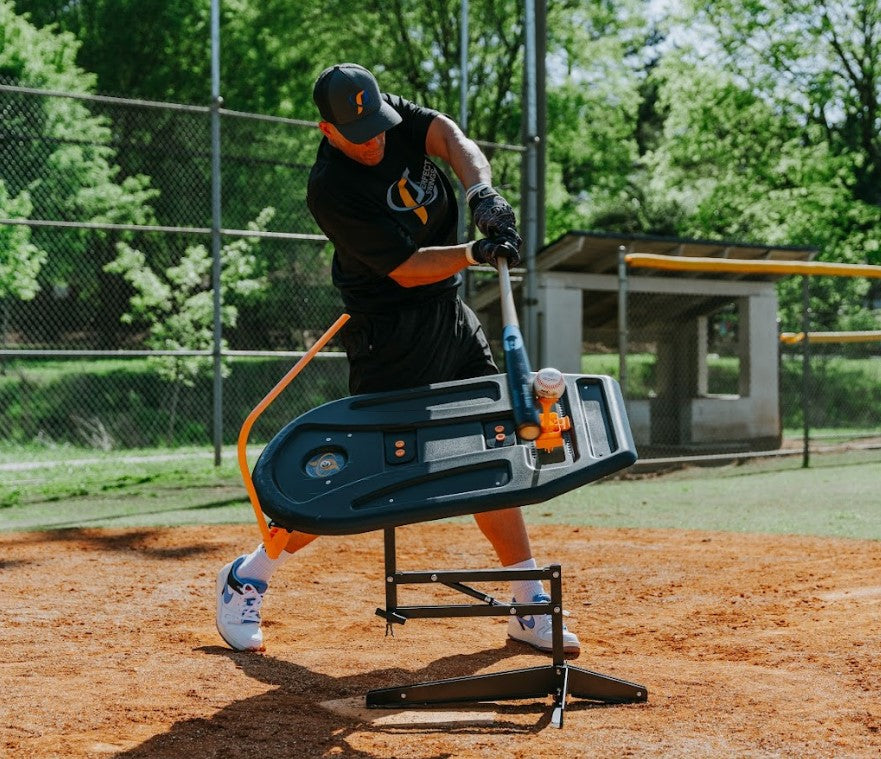
The hands should stay connected to the turn. The body rotates, the rear arm works into a strong slot, and the barrel turns into the ball with intent. This creates a path that covers pitches across more parts of the zone. Training with a lag training bat can help hitters feel how the barrel should work later and more efficiently through the turn.

Let the Lower Half Drive the Swing
The lower half gives the swing force and direction. Great hitters use the ground well. They gather on the back side, move into a firm front side, and rotate with intent through the middle of the field. That sequence lets the barrel move faster without making the upper body do all the work.
When the lower half stalls, the hands try to save the swing. That usually causes weak contact, steep paths, or timing breakdowns. Hitters need the hips and torso to lead the move while the hands deliver the barrel from a connected position.
Win the Contact Point
Fastpitch swings do not end when the barrel reaches the zone. The hitter still needs to win the contact point. That means keeping posture, staying connected, and striking the ball with intent. The best contact happens when the body stays strong through impact instead of leaking energy early.
Different pitch locations require different contact points. Inside pitches need the barrel out front with quick rotation. Middle pitches let the hitter stay strong through the center of the field. Outside pitches require direction and barrel control without drifting.
Finish Under Control
The finish shows what happened before it. A balanced finish does not create a good swing, but it usually reflects one. If the hitter falls off, spins wildly, or loses posture, the swing likely had a problem earlier in the sequence.
A strong finish shows that the hitter rotated through the ball with balance and intent. The chest works through, the back side comes through naturally, and the body stays athletic after contact. That kind of finish suggests the swing stayed connected from the ground up.
How to Train Better Mechanics
The best mechanical work connects the feel to real contact. Hitters need drills that teach rhythm, timing, direction, and barrel path while hitting balls.
Start with one priority at a time. A hitter who tries to fix balance, load, stride, path, and timing in one session usually gets stuck. Choose the biggest issue, train it with simple feedback, and build from there.
Hone Your Mechanics with Perfect Swings USA
We hope our ultimate guide helps you fine-tune your fastpitch swing mechanics to belt balls deep into the outfield and over the fence. Hitters need balance at setup, control in the load, direction in the stride, clean sequencing through rotation, and a barrel path that stays in the zone with purpose. When those pieces connect, the swing becomes faster and more consistent.
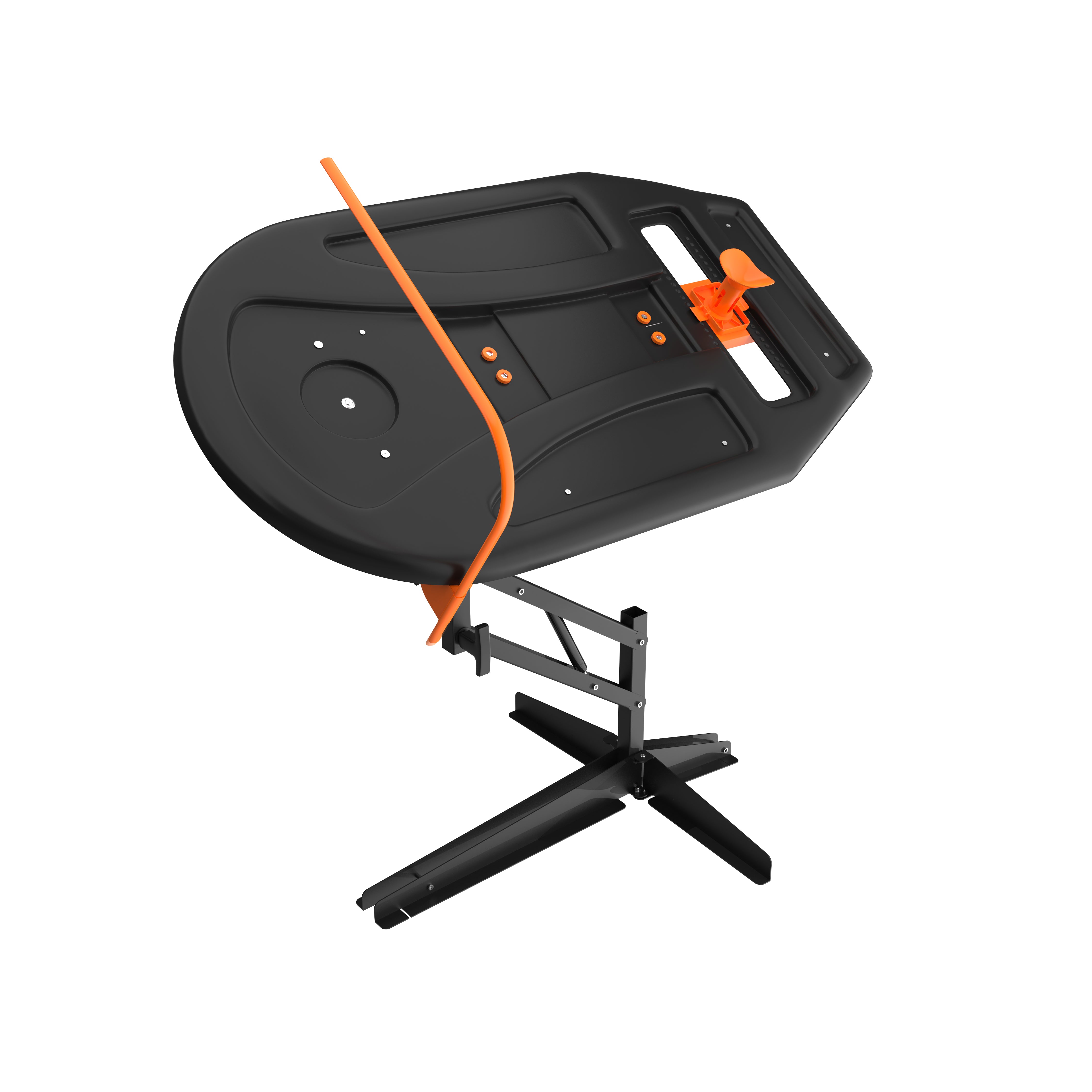
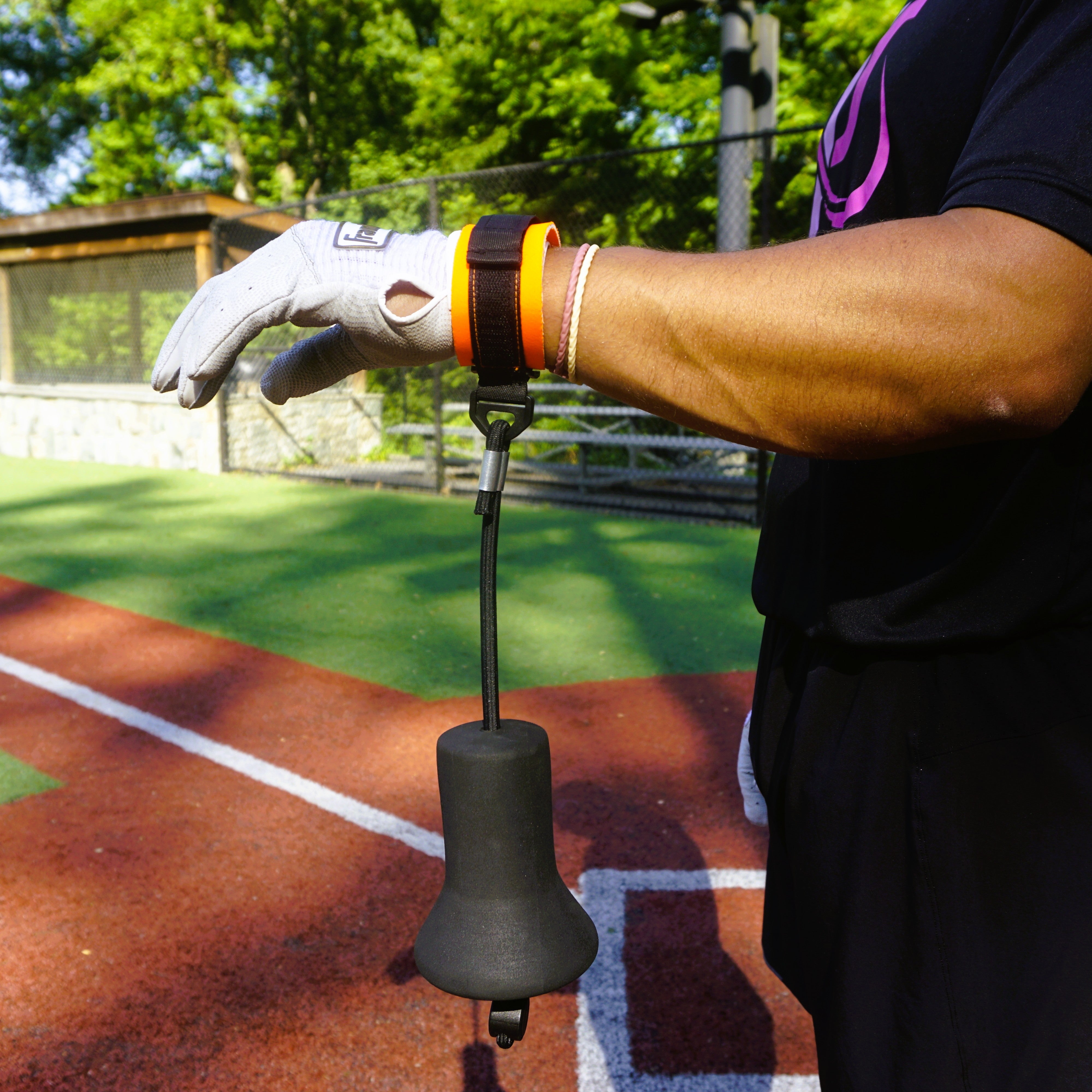
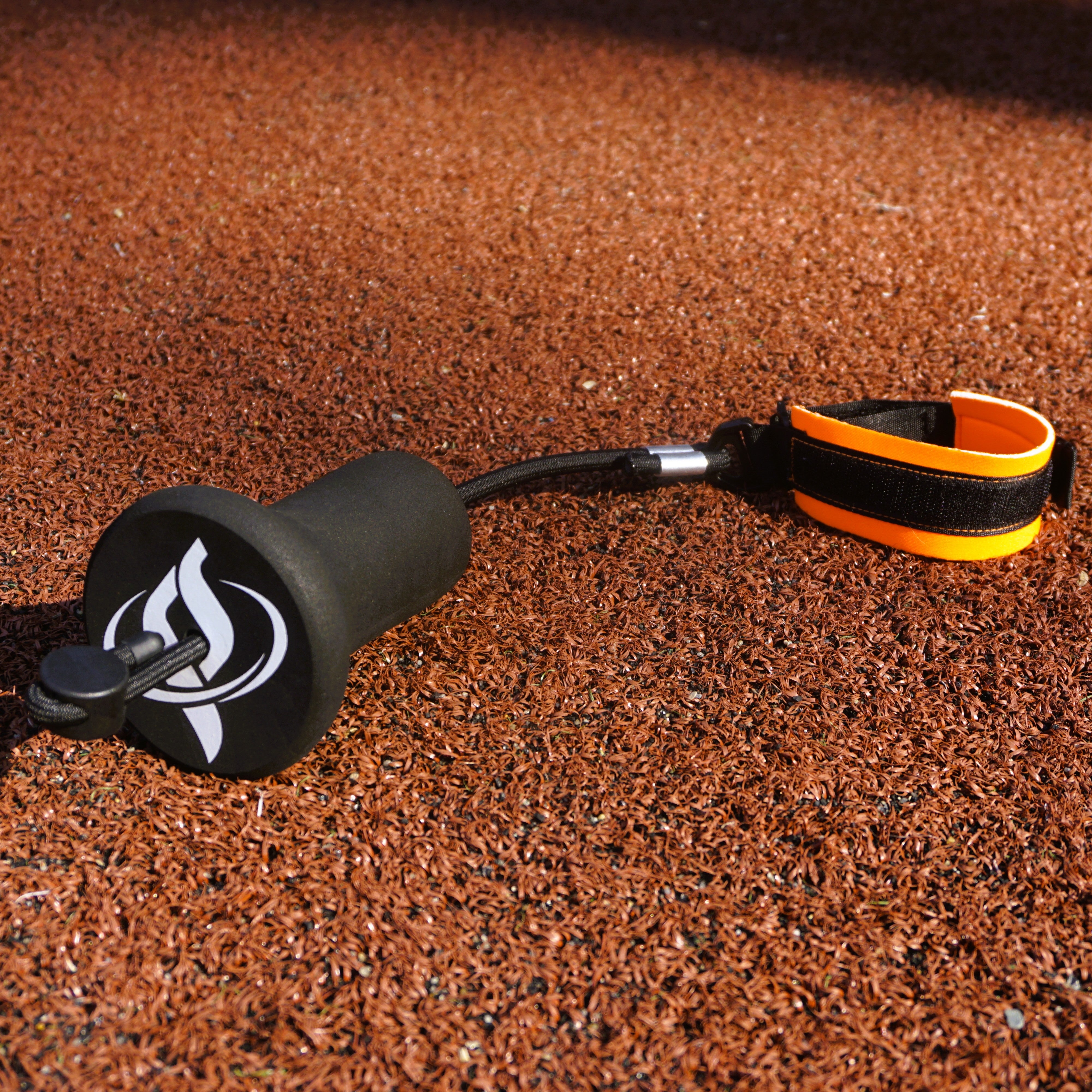
Having the training tools can give you and your team a leg up on the competition. Perfect Swing USA’s swing aids and equipment, from lag bats to swing path trainers, can help you create your perfect swing. Learn more about swing tools online, or contact our staff to speak with a swing expert.