
Every great hitter knows that success at the plate begins with a solid swing. Your swing is your signature, the engine that drives your performance. Understanding its mechanics is the first step toward unlocking your full potential as a batter. Whether you're aiming for the fences or just trying to put the ball in play, the style of your swing matters.
When constructing your swing, there are two general options to consider: long and short. In this guide, we’ll explore the pros and cons of the long and short swing in baseball to help you build a swing that specifically fits your strengths as a batter.
The Long Swing
First, we’ll start by examining the long swing. Hitters with a long swing take the bat back further, creating a wider arc as it moves toward the ball. This approach is all about generating maximum force and momentum before making contact.
Characteristics of a Long Swing
Players utilizing a long swing typically pronounce their movements within the swing more prominently. Their hands might travel farther from their body during the load phase, and the barrel of the bat covers a greater distance to reach the hitting zone.
This extended path builds up as much bat speed as possible, turning the bat into a powerful lever. The goal is to create a whip-like effect, where the batter unleashes the energy they store during the load at the point of contact.
The Power Advantage
The primary benefit of a long swing is its potential for incredible power. The longer the path the bat travels, the more speed it can accumulate. This translates directly to higher exit velocity, which is the speed of the ball as it leaves the bat.
A higher exit velocity means the ball travels farther and faster, increasing the chances of extra-base hits and home runs. For players looking to be a major run-producer in the lineup, a long swing can be the key to unlocking game-changing power.
Potential Downsides
However, this pursuit of power comes with trade-offs. A long swing takes more time to develop, meaning the hitter must start their swing earlier to make contact. This can make them vulnerable to high-velocity pitches, as there is less time to react.
The additional movement of a long swing also introduces more variables, which can cause inconsistency. With more moving parts, there's a greater chance of something going wrong, whether it's a mechanical breakdown or a timing issue.

The Short Swing
In contrast to the long swing, a short swing is compact and direct. The philosophy here is "less is more." Hitters with a brief swing keep their hands close to their bodies and take the most efficient path to the ball. The focus is on precision, control, and making consistent contact.
Characteristics of a Short Swing
An economy of motion characterizes a short swing for a batter. The batter does not waste movements as the bat travels from the loaded position to the contact point along a direct line. This compactness allows the hitter to get to the ball quickly, giving them more time to read the pitch and make adjustments. The emphasis is less on raw power and more on bat control and barrel accuracy.
The Contact Advantage
The main advantage of a short swing is a higher contact rate. Because the swing is quicker, batters can wait longer on a pitch before deciding to swing. This extra split-second allows them to recognize breaking balls more clearly and adjust to off-speed pitches.
This adjustability for batters means fewer strikeouts and more balls put in play. For hitters who pride themselves on getting on base and moving runners, a short, compact swing is an invaluable tool.
Potential Limitations
The trade-off for this increased contact is a potential reduction in power. A shorter swing arc generates less bat speed, which can limit the hitter's ability to drive the ball for extra-base hits. While players with short swings can still hit for power by using their strength and rotational force, they generally rely more on finding gaps in the defense than hitting the ball over the fence.
Comparative Analysis
Now that we’ve analyzed the pros and cons of short and long swings in baseball, which is best? Choosing a swing style depends entirely on the type of hitter you are and what you want to accomplish. A power hitter, whose job is to drive in runs with extra-base hits, will naturally gravitate toward a longer swing to maximize exit velocity. A contact hitter, who aims to get on base and set the table for the power hitters, will find more success with a shorter, more controlled swing.
For younger players, it’s typically best to master the fundamentals with a short swing. It helps build a solid foundation in mechanics and promotes good habits, such as keeping the hands inside the ball. As a player matures and develops more strength, they can experiment with lengthening their swing to add more power without sacrificing control. Ultimately, the best swing is the one that feels most natural and produces the best results for you.

Drills to Hone Your Swing
No matter which style you choose, consistent practice is the only way to perfect it. Below are some specific drills for batters with long swings and short swings to hone their mechanics and master their swing.
Drills for a Long Swing
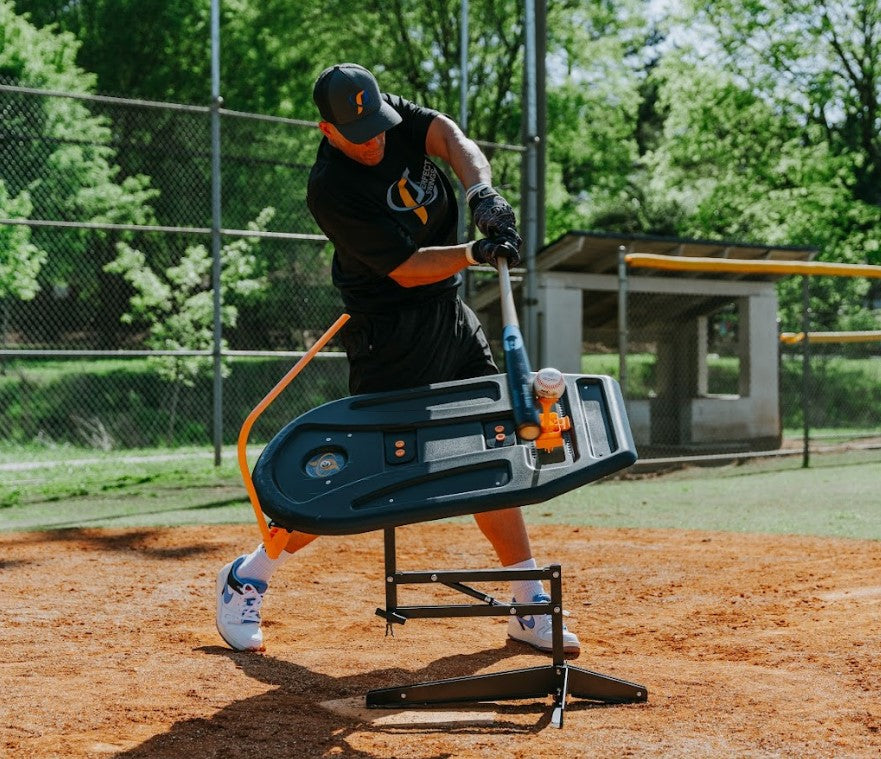
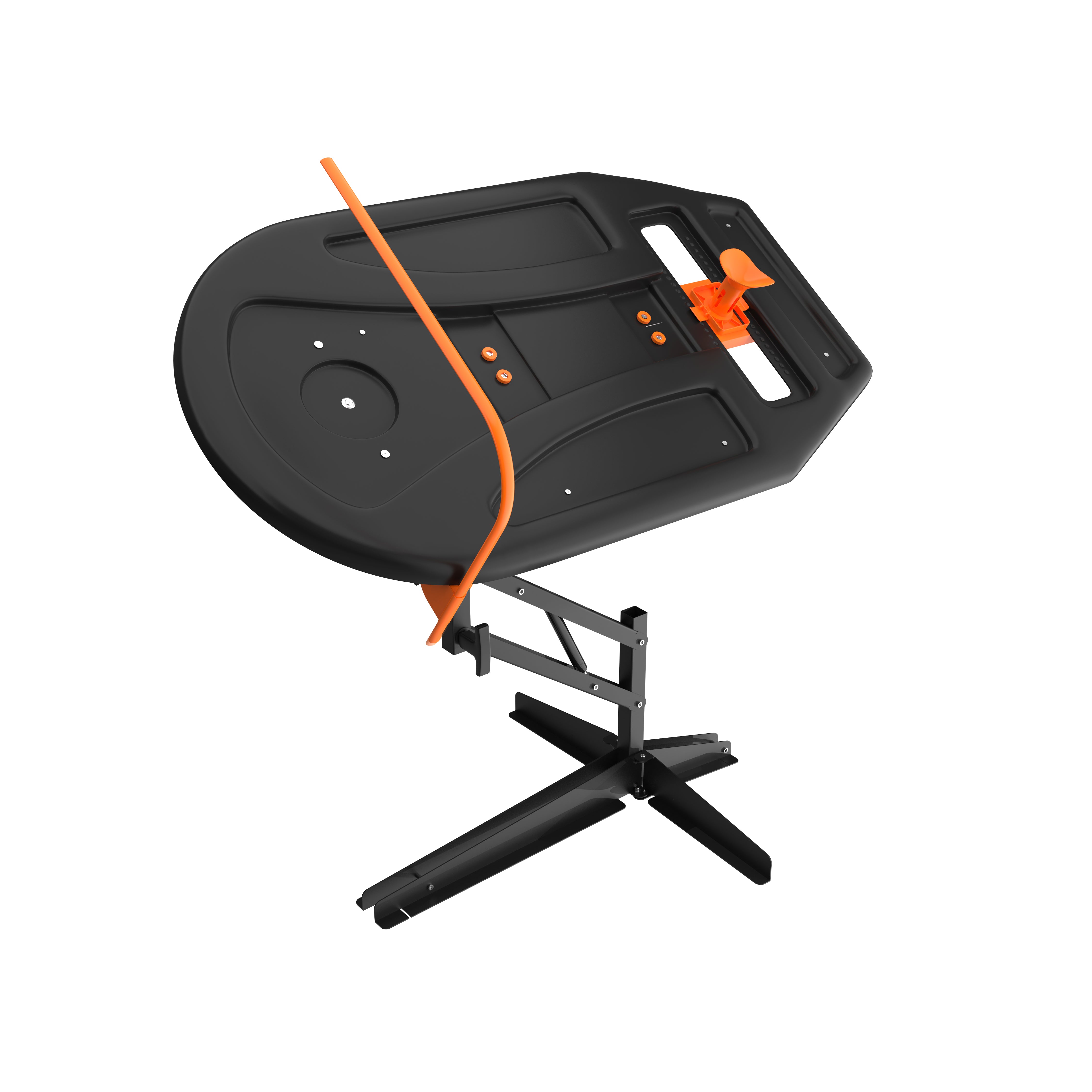
To develop a powerful long swing, focus on drills that promote a full range of motion and weight transfer. Tee work is a great place to start. Take tee work a step further with a baseball hitting trainer from Perfect Swings USA, which helps you work on your swing path for a purposeful and efficient swing every time.
Another effective drill is the "step-back" drill, where you take a small step back with your front foot before striding forward. This exaggerates the load and helps you feel your body generating momentum toward the pitcher.
Drills for a Short Swing
For a short, compact swing, focus on drills that emphasize quickness and a direct path to the ball. The "top-hand" drill, where you swing with only your top hand on the bat, is excellent for teaching you to keep your hands inside the ball.
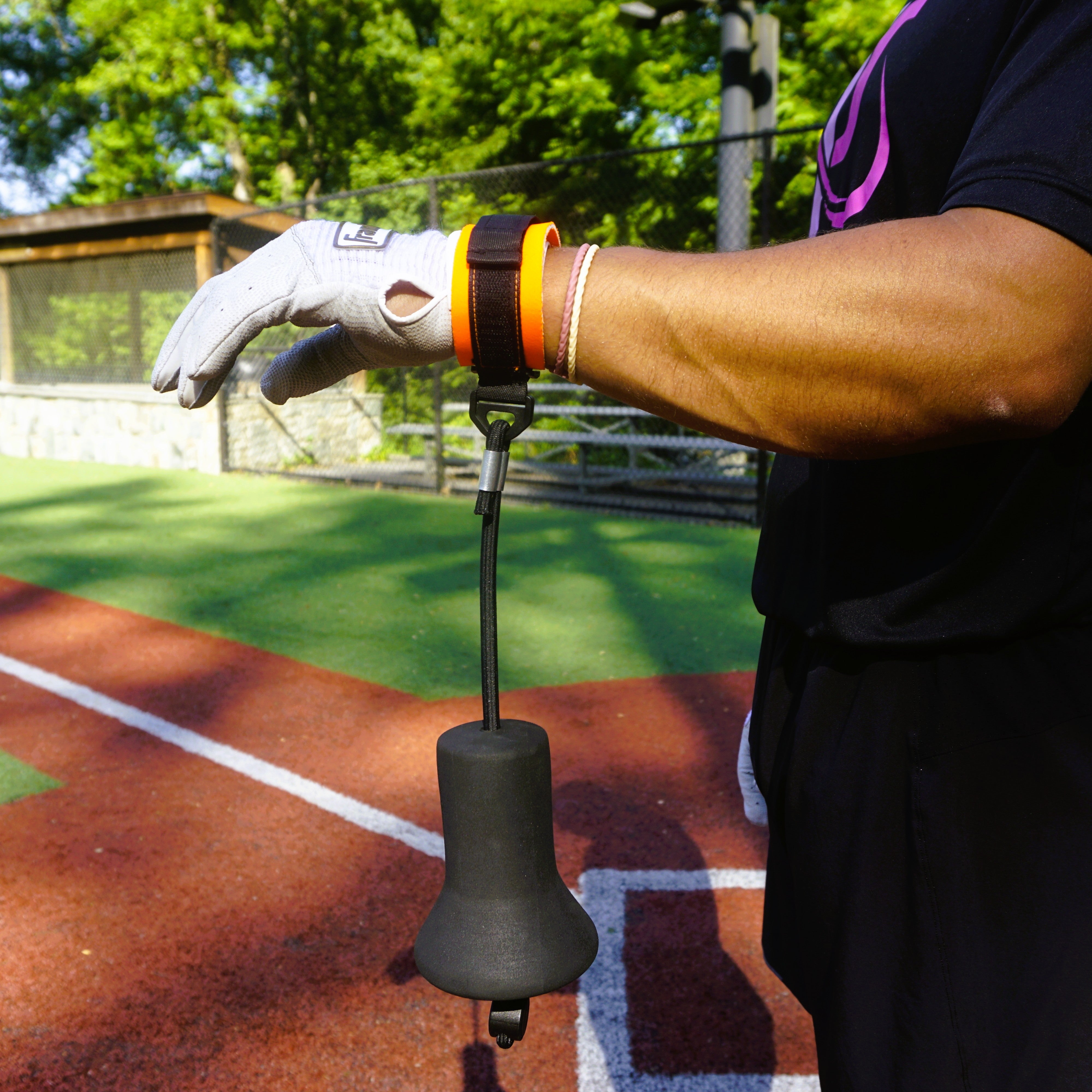
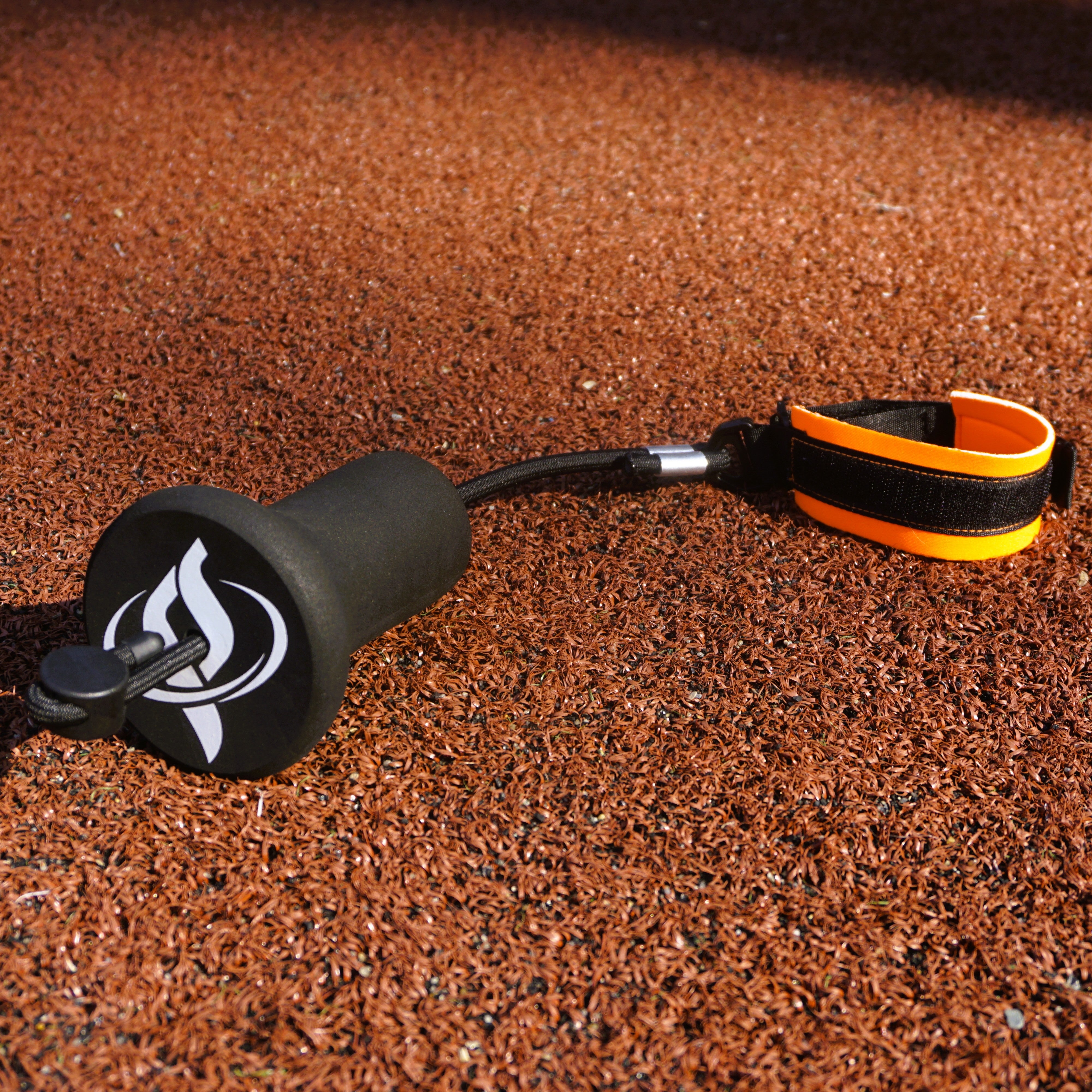
Using a tempo trainer, like the lag bat from Perfect Swings USA, is also an excellent way to focus on speed and efficiency in your swing. The weighted lag bat encourages hand positioning and barrel control for greater bat speed and swing efficiency.
Find Your Perfect Swing
The debate between a long swing and a short swing isn't about which one is better. It's about which one is better for you. The most effective hitters are adaptable, able to adjust to the situation and the pitcher they are facing.
The journey to finding your perfect swing is a personal one, requiring self-awareness, practice, and often, guidance from a knowledgeable coach. At Perfect Swings USA, we help players of all ages and skill levels unlock their true potential at the plate. Explore our swing trainer products online and check out our articles and video tutorials for guidance on how to maximize your success as a batter.